
Rifseria
Hodges, 1966
Species Guides
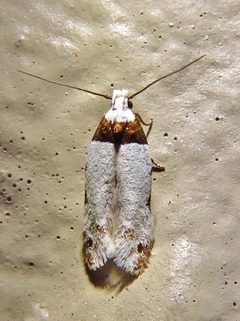
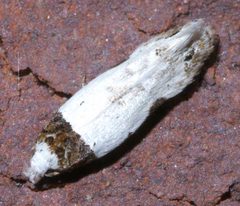
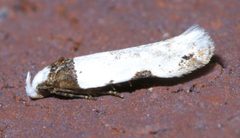
1Rifseria is a of gelechiid moths established by Hodges in 1966. The genus contains a single , Rifseria fuscotaeniaella, distributed across western North America. The larvae are leaf miners specializing on plants in the Asteraceae .
Pronunciation
How to pronounce Rifseria: //rɪfˈsɛr.i.ə//
These audio files are automatically generated. While they are not always 100% accurate, they are a good starting point.
Identification
As a , identification relies on recognizing Rifseria fuscotaeniaella. The genus is distinguished within Gelechiidae by characteristics of its sole , including wing pattern and genitalia as described in the original taxonomic treatment.
Images
Habitat
Associated with plants Anaphalis and Gnaphalium, which occur in open, often dry including prairies, meadows, and rocky slopes.
Distribution
Western North America: from Manitoba and British Columbia southward through eastern Colorado, Utah, Nevada, and Arizona to coastal California.
Diet
Larvae feed on Anaphalis and Gnaphalium (Asteraceae).
Host Associations
- Anaphalis - larval larvae mine leaves
- Gnaphalium - larval larvae mine leaves
Life Cycle
Larvae are leaf miners, feeding within the leaves of plants. and patterns are not documented.
Behavior
Larvae create mines in leaves of plants. has not been specifically described.
Ecological Role
As a , larvae may influence leaf physiology of their plants. Specific ecological impacts have not been studied.
Similar Taxa
- Other Gelechiidae genera with leaf-mining larvae on AsteraceaeSimilar larval habits and associations; distinguished by and specific host relationships
More Details
Taxonomic status
The was established by Ronald B. Hodges in 1966. The single Rifseria fuscotaeniaella was originally described as Gelechia fuscotaeniella by Chambers in 1875.