
Prolita jubata
(Hodges, 1966)
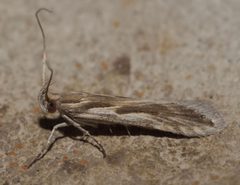
Prolita jubata is a small gelechiid described by Ronald W. Hodges in 1966. It occurs in western North America, with records from six states. The has a wingspan of 16–20 mm. Its larvae are known to feed on Chrysothamnus viscidiflorus, a species of rabbitbrush.
Pronunciation
How to pronounce Prolita jubata: /proʊˈlaɪtə ˈdʒuːbətə/
These audio files are automatically generated. While they are not always 100% accurate, they are a good starting point.
Identification
The small size (16–20 mm wingspan) and geographic range in western North America may help distinguish this from similar gelechiid moths. Specific diagnostic features are not documented in available sources.
Images
Appearance
Small with a wingspan of 16–20 mm. Specific coloration and pattern details are not documented in available sources.
Habitat
Associated with areas supporting its larval plant Chrysothamnus viscidiflorus (green rabbitbrush), which grows in dry, open including sagebrush steppe and disturbed sites in western North America.
Distribution
Recorded from six western US states: Washington, California, Colorado, Idaho, Montana, and Utah.
Diet
Larvae feed on Chrysothamnus viscidiflorus (green rabbitbrush, Asteraceae). feeding habits are not documented.
Host Associations
- Chrysothamnus viscidiflorus - larval food plantgreen rabbitbrush
Ecological Role
As a herbivore, the larval stage contributes to the consumer associated with Chrysothamnus viscidiflorus in western North American shrubland .
Similar Taxa
- Other Prolita speciesThe Prolita contains multiple that are morphologically similar small gelechiid moths; accurate identification often requires examination of genitalia or other subtle characters.
More Details
Nomenclature
The epithet 'jubata' is Latin for 'maned' or 'crested', possibly referring to a morphological feature of the .
Research history
Described by Ronald W. Hodges, a prominent American lepidopterist who made significant contributions to the of North American microlepidoptera.