
Cosmopteriginae
Heinemann & Wocke, 1876
Genus Guides
11- Anatrachyntis(pink scavenger moths)
- Anoncia
- Cosmopterix(cosmet moths)
- Eralea
- Eteobalea
- Limnaecia
- Melanocinclis
- Pyroderces(cosmet moths)
- Tanygona
Cosmopteriginae is a of small within the Cosmopterigidae. Members are characterized by narrow wings and minute size. Larvae of many are internal feeders on plant tissues. The subfamily is most diverse in the Australian and Pacific regions.
Pronunciation
How to pronounce Cosmopteriginae: /kɒzmɒptəˈrɪdʒɪniː/
These audio files are automatically generated. While they are not always 100% accurate, they are a good starting point.
Identification
Distinguished from other gelechioid by combination of small size, narrow wings with dense fringe, and often metallic scaling. Differs from Antequerinae in wing venation details. Separation from Chrysopeleiinae requires examination of genitalia or larval associations. Most similar to other Cosmopterigidae subfamilies but tends to have more pronounced wing fringes and more slender forewings.
Images
Appearance
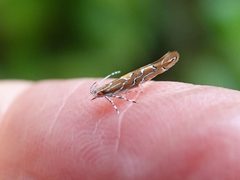
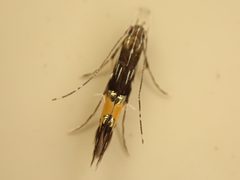
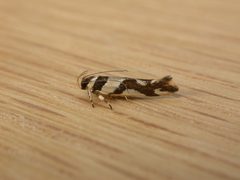
Small with narrow, often pointed wings. Body typically slender and compact. Wing patterns vary but often include metallic or contrasting markings. usually long relative to body size. Resting posture often brings wings tightly against the body, creating a cylindrical silhouette.
Habitat
Found in diverse terrestrial supporting their plants. Common in forests, woodlands, scrublands, and occasionally urban gardens. Many associated with specific host plant . Larval habitat is internal to plant tissues—leaves, stems, seeds, or bark.
Distribution
Most diverse in Australian and Pacific regions. Present on all continents except Antarctica. Widespread in temperate and tropical zones, with reduced representation in cold continental interiors.
Seasonality
activity patterns vary by and latitude. Many temperate species fly in late spring to summer. Tropical species may be active year-round. Some species with discrete , others with overlapping cohorts.
Diet
Larvae feed internally on plant tissues: leaves (as leaf miners), stems, seeds, fruits, or bark. Some are known to feed on dead plant material or fungi. do not feed or take only minimal liquid nourishment.
Life Cycle
Complete . laid on or near plant. Larvae enter plant tissue and feed internally, often creating characteristic mines or galleries. typically occurs within the larval gallery or in a silken cocoon on the host. emerge to mate and disperse. Number of per year varies by and climate.
Behavior
are generally or , with some activity reported. Many rest with wings folded tightly, resembling small twigs or debris. Larval is cryptic due to internal feeding habit. Some species exhibit jumping or skittering when disturbed.
Ecological Role
Larvae function as herbivores and internal plant tissue consumers, potentially affecting seed production or plant growth. Some may act as secondary decomposers. Serve as prey for and other . Role in nutrient cycling through consumption of plant reproductive structures.
Human Relevance
Generally of minor economic importance. A few are minor pests of cultivated plants, particularly those affecting seeds or fruits. Some species used as agents against plants. Of interest to lepidopterists due to diversity and identification challenges.
Similar Taxa
- ChrysopeleiinaeAlso within Cosmopterigidae; distinguished by broader wings, reduced wing fringe, and different larval habits
- AntequerinaeRelated with similar size but differing in wing venation and male genitalia structure
- GelechiinaeSimilar small size and narrow wings; separated by wing venation, larval , and often more pronounced wing patterning
More Details
Taxonomic note
Cosmopteriginae is the nominate of Cosmopterigidae and contains the majority of described in the . The classification of within this subfamily remains under revision, with several formerly recognized subfamilies now synonymized.
Research challenges
Identification to level often requires dissection and examination of genitalia. Larval associations are poorly known for many species, limiting ecological understanding. Many undescribed species exist, particularly in tropical regions.