
Apatelodidae
Neumoegen & Dyar, 1894
American silkworm moths
Subfamily Guides
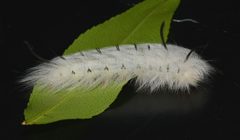
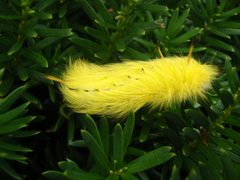
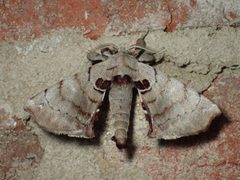
1is a of medium-sized bombycoid to the New World, with highest diversity in the Neotropical region. The family contains approximately 14 and 222+ following recent taxonomic revisions, though generic boundaries remain in flux due to ongoing phylogenetic studies. typically exhibit cryptic coloration in greyish, straw-yellow, or reddish-brown tones with darker wing markings. Larvae of at least some species possess urticating setae, a trait first documented in the family in 2025. The family was elevated from status within in recent decades and continues to undergo substantial taxonomic restructuring.
Pronunciation
How to pronounce Apatelodidae: //ˌæpəˈtɛloʊdɪˌdiː//
These audio files are automatically generated. While they are not always 100% accurate, they are a good starting point.
Identification
are distinguished from related Bombycoidea by combinations of wing venation, genitalia structure, and molecular characters. From : generally smaller size, different forewing venation with reduced or absent areole, and male genitalia with distinct valvae structure. From Phiditiidae: different wing pattern elements and genitalia . From : more compact body and different wing shape. -level identification relies heavily on male genitalia dissection, particularly shape, presence/absence of socii on uncus, sacculus structure, and vesica cornuti. Wing characters including number and position of hyaline spots, transverse line patterns, and abdominal patches provide supplementary diagnostic features. (COI) increasingly used for species discrimination, particularly in cryptic .
Images
Habitat
Primarily tropical and subtropical forests, ranging from lowland rainforest to montane cloud forest. occur in semi-evergreen forests, gallery forests, and disturbed forest edges. Some species recorded from protected areas including national forests and conservation units. Elevation range varies by species, with Amazonian lowland species and Andean/montane representatives. Larval plants include shrubs and trees in several ; at least one species (Zanola verago) documented feeding on Piper neesianum (Piperaceae) in semi-evergreen forest understory.
Distribution
Exclusively New World. Core distribution in , extending from southern Mexico through Central America and Caribbean to South America. Northernmost records from Mexico (Yucatan Peninsula, southern Mexico). Southernmost extent to southern Brazil. Highest in Amazon basin, with significant representation in Atlantic Forest, Cerrado, and Andean regions. Some with restricted distributions (e.g., several newly described 2024 genera from specific biogeographic regions). Disjunct and on Caribbean islands. Limited records from Nearctic region (e.g., Vermont, USA) represent northern range margin.
Diet
: Not documented; presumed non-feeding or with reduced feeding based on -level patterns in Bombycoidea, but no direct evidence available. Larvae: Herbivorous, feeding on leaves of woody plants. Documented plants include Duranta erecta (Verbenaceae) and Piper neesianum (Piperaceae). Host range likely broader than currently recorded given limited natural history data.
Host Associations
- Piper neesianum - larval plantDocumented for Zanola verago in Yucatan Peninsula, Mexico
- Duranta erecta - larval plantUsed in laboratory rearing of Ephoria
- Enicospilus carmenae - Koinobiont larval endoparasitoid of Zanola verago
Life Cycle
Holometabolous with complete . stage: Oviposition on plant foliage; eggs ovoid with -specific sculpturing. Larval stage: Five instars typical for ; first instar with distinct chaetotaxy, subsequent instars with developed verrucae and setae; some species with urticating setae from early instars. Pupal stage: Within silk cocoon, duration variable with environmental conditions. : Males and females with similar timing; no documented , though seasonal patterns likely in seasonal . Development time from egg to adult estimated 4-8 weeks under favorable conditions based on laboratory rearing of Ephoria species.
Behavior
, attracted to light. Males detect female ; Thelosia camina uses uncommon C18 conjugated dienes as components. Larvae solitary feeders on plant foliage. Defensive includes urtication via specialized setae in some . in silk cocoon, typically attached to substrate or within leaf litter. No documented migratory behavior; likely sedentary with localized .
Ecological Role
Primary consumers as larvae, converting plant to animal tissue. Prey for (documented: Ichneumonidae). Contribution to nutrient cycling through herbivory and detritus from larval feeding. Pollination role unknown; likely incidental if they feed. Cocoon silk potentially used by other organisms. No documented engineering effects.
Human Relevance
Minor economic importance. Thelosia camina documented as pest of yerba mate (Ilex paraguariensis) , though damage extent not quantified. Urticating setae of larvae pose potential health hazard to field and researchers handling specimens. No silk production industry; cocoons not harvested. Subject of scientific research due to taxonomic complexity and phylogenetic significance within Bombycoidea. Some photographed by naturalists and represented in biodiversity databases (iNaturalist: >23,000 observations).
Similar Taxa
- BombycidaeHistorically included as Apatelodinae; distinguished by larger body size, presence of forewing areole, and different male genitalia structure
- PhiditiidaeAlso recently elevated from ; distinguished by wing pattern elements, genitalia , and molecular characters
- EupterotidaeOverlapping distribution and general appearance; distinguished by more elongate wings, different venation, and genitalia characters
- SaturniidaeSimilar size and appearance in some ; distinguished by reduced mouthparts, different wing venation with distinct eyespot patterns, and bipectinate in both sexes
Misconceptions
Previously treated as of rather than distinct ; this classification persisted until recent molecular phylogenetic studies. The Olceclostera was long considered to contain a single widespread (O. bifenestrata) spanning Rica to southern Brazil; molecular and morphological data revealed this as a of at least five distinct species. Many species descriptions based solely on wing pattern without genitalia examination, leading to synonymies and misidentifications later corrected by dissection-based revisions.
More Details
Taxonomic instability
The is undergoing intensive revision. A 2024 molecular study proposed 16 new and transferred Tamphana from , while finding most existing genera non-monophyletic. Generic concepts remain provisional; -level similarly dynamic with frequent new species descriptions and synonymizations.
Research priorities
Critical gaps include: stages unknown for majority of ; plant associations documented for <5% of species; natural history and largely unstudied; geographic distributions incomplete for many ; known for only one species.
Conservation status
No formal assessments available; likely contains undescribed species in threatened (Amazon deforestation, Atlantic Forest fragmentation). Protected area records indicate presence in conservation units, but trends unknown.
Sources and further reading
- BugGuide
- Wikipedia
- GBIF taxonomy match
- iNaturalist taxon
- NCBI Taxonomy
- Catalogue of Life
- Systematics of Apatelodidae Neumoegen & Dyar, 1894 (Lepidoptera: Bombycoidea) based on molecular and morphological data
- A new species of Drepatelodes (Lepidoptera: Bombycoidea: Apatelodidae) from Floresta Nacional do Tapajós, Pará, Brazil
- More than Olceclostera bifenestrata: New species and morphology of immature stages of Olceclostera Butler, 1879 (Lepidoptera: Bombycoidea, Apatelodidae)
- Immature stages of two Ephoria species (Lepidoptera: Bombycoidea: Apatelodidae): Comparative morphology, bionomics, and the first record of urticating setae in the family
- Revision of Zapatodes Orlandin, Piovesan & Carneiro, 2025 (Lepidoptera: Bombycoidea, Apatelodidae) with description of seven new species
- A New Species of Enicospilus Stephens, 1835 (Ichneumonidae, Ophioninae), from Southern Mexico, Parasitic on Zanola verago Cramer, 1777 (Lepidoptera, Apatelodidae), Feeding on Piper neesianum C. DC. (Piperaceae)
- Uncommon C18 Conjugated Dienes Define the Sex Pheromone System of Thelosia camina (Lepidoptera: Apatelodidae), a Pest of Yerba Mate.