
Aglaostigma
Kirby, 1882
Species Guides
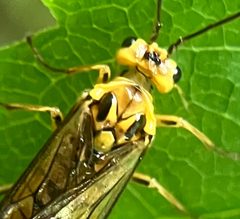
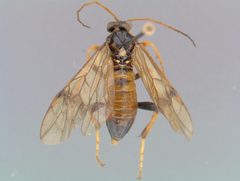
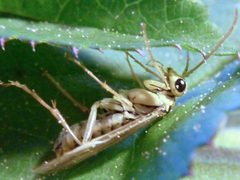
3Aglaostigma is a of in the Tenthredinidae, established by William Kirby in 1882. The genus comprises at least four described distributed across Europe and North America. Species within this genus are phytophagous, with larvae feeding on various plants.
Pronunciation
How to pronounce Aglaostigma: /ˌæɡliːoʊˈstɪɡmə/
These audio files are automatically generated. While they are not always 100% accurate, they are a good starting point.
Identification
can be distinguished from other Tenthredinidae by specific wing venation patterns and abdominal structure, though precise diagnostic features require examination. Larvae of Aglaostigma are external feeders on plants and can be recognized by their larval combined with host association.
Images
Habitat
occur in temperate regions where their plants grow, including forests, woodlands, and shrublands. Specific microhabitat preferences vary by species and correlate with host plant distribution.
Distribution
Europe and North America. Distribution records from GBIF confirm presence in Denmark, Norway, and Sweden.
Seasonality
activity occurs during the warmer months, with timing varying by and latitude. Larval feeding typically coincides with plant growing season.
Diet
Larvae are external leaf feeders on plants. Aglaostigma aucupariae has been observed feeding on Sorbus aucuparia (rowan). Aglaostigma fulvipes feeds on various Rosaceae including Rubus and Fragaria .
Host Associations
- Sorbus aucuparia - larval for A. aucupariae
- Rubus - larval for A. fulvipes
- Fragaria - larval for A. fulvipes
Life Cycle
Development includes , larval, pupal, and stages. Larvae are free-living external feeders on plant foliage. occurs in soil or protected locations. Adults are short-lived and do not feed.
Ecological Role
Larvae function as primary consumers, transferring plant to higher . Defoliation by larvae may influence plant , though densities are generally not -forming.
Human Relevance
Minor agricultural relevance: A. fulvipes occasionally reaches pest status on cultivated strawberries (Fragaria × ananassa). Otherwise generally unnoticed by humans.
Similar Taxa
- Other Tenthredinidae generaDistinguished by wing venation, genitalia , and larval associations; requires identification.
More Details
Taxonomic history
The was erected by William Kirby in 1882. have been transferred in and out of this genus over time, reflecting ongoing revisions in .
Observation data
iNaturalist records over 2,000 observations, indicating moderate detection and documentation by naturalists, though many may remain unidentified to level.