
Hesperapini
Genus Guides
1Hesperapini is a small tribe of bees within the Melittidae, Dasypodainae. The tribe contains a limited number of and , primarily distributed in arid regions. These bees are ground-nesting and exhibit specialized pollen-collecting structures. They represent an early-diverging lineage among bees, contributing to understanding of evolution.
Pronunciation
How to pronounce Hesperapini: /hɛsˌpɛrəˈpiːni/
These audio files are automatically generated. While they are not always 100% accurate, they are a good starting point.
Identification
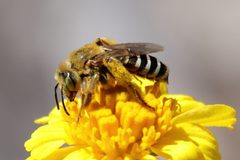
Hesperapini can be distinguished from other Dasypodainae tribes by specialized scopal hairs on the hind legs adapted for pollen transport. Members lack the extreme morphological specializations seen in some related tribes. The tribe is characterized by particular configurations of mouthparts and wing venation patterns that separate it from Hesperapis (the , not the tribe) and other melittid groups.
Images
Habitat
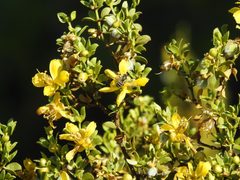
within Hesperapini inhabit arid and semi-arid environments, including desert and dry scrubland regions. They are ground-nesting bees, excavating burrows in sandy or loose soils. specificity is linked to soil conditions suitable for nest construction and availability of plants.
Distribution
The tribe has a disjunct distribution with representatives in southern Africa and western North America, including the southwestern United States and adjacent Mexico. This biogeographic pattern reflects ancient vicariance events.
Behavior
Nesting involves solitary ground burrowing. Females construct individual nests with provisioned with pollen and nectar. Males do not participate in nest construction or provisioning.
Ecological Role
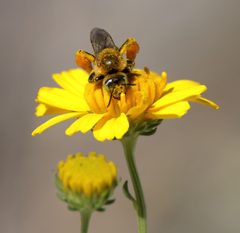
As pollen or oligoleges, members of Hesperapini contribute to pollination of specific plant lineages in arid . Their ground-nesting activity may influence soil structure and nutrient distribution locally.
Similar Taxa
- Hesperapis (genus)The Hesperapis, formerly placed in Hesperapini, has been reclassified; the tribe now contains different genera, creating potential confusion between tribal and generic names.
- DasypodainiSister tribe within Dasypodainae; distinguished by differences in scopal structure and geographic distribution.
More Details
Taxonomic History
The circumscription of Hesperapini has changed substantially with molecular phylogenetic studies. The Hesperapis, which gave the tribe its name, has been moved to a different tribe, making Hesperapini a in older literature. Current classification reflects revised understanding of melittid relationships.