
Zaglyptus varipes
(Gravenhorst, 1829)
Species Guides
1Zaglyptus varipes is a of ichneumon in the Ichneumonidae, first described by Gravenhorst in 1829. The species is documented from multiple localities in Alberta and Saskatchewan, Canada. Like other members of its , it is presumed to be a wasp, though specific associations remain unverified. The species name 'varipes' refers to variable legs, a morphological trait characteristic of this .
Pronunciation
How to pronounce Zaglyptus varipes: /zæɡˈlɪptəs ˈværɪˌpiːz/
These audio files are automatically generated. While they are not always 100% accurate, they are a good starting point.
Identification
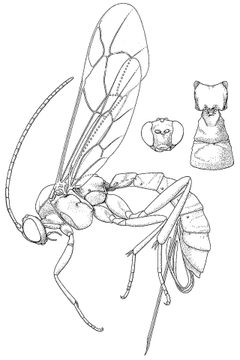
Distinguished from congeneric by leg coloration patterns implied by the species name. Accurate identification requires examination of wing venation, ovipositor length, and other microscopic features typical of Ichneumonidae . Similar to other Zaglyptus species but specific diagnostic characters require examination.
Images
Appearance
Medium-sized ichneumon with slender body and elongated . The specific epithet 'varipes' denotes variable leg coloration, which serves as a distinguishing morphological feature. Detailed morphological descriptions are limited in published literature.
Habitat
Documented from lacustrine and riverine environments in the Canadian prairies, including localities near Pigeon Lake and George Lake in Alberta. Specific microhabitat preferences are unknown.
Distribution
Recorded from central and southern Alberta, Canada, with additional records from Saskatchewan. Documented localities include Edmonton, Lethbridge, Red Deer, Pigeon Lake, and George Lake.
Ecological Role
Presumed based on -level , though specific relationships and ecological functions remain undocumented.
Similar Taxa
- Other Zaglyptus speciesCongeneric share general ichneumonid and require detailed examination for reliable separation; leg coloration patterns may provide distinguishing characters.
More Details
Nomenclatural history
Originally described as Polysphincta varipes by Gravenhorst in 1829, later transferred to Zaglyptus.