
Chirotica
Förster, 1869
Darwin wasp
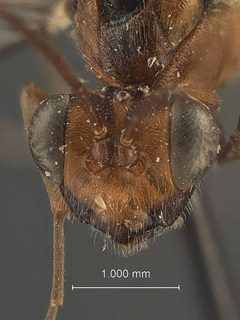
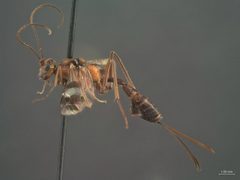
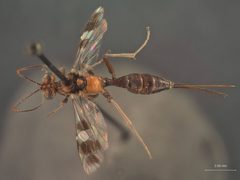
Chirotica is a of Darwin wasps in the Ichneumonidae, Phygadeuontinae. The genus contains that attack bagworm moths (Psychidae). Four species are known from North America, and the genus has been documented in Brazil with both previously described and newly described species. Females possess a prominent ovipositor used for -laying into cocoons.
Pronunciation
How to pronounce Chirotica: //kaɪˈroʊtɪkə//
These audio files are automatically generated. While they are not always 100% accurate, they are a good starting point.
Identification
Chirotica can be recognized as ichneumon wasps by the typical slender body, long , and elongated ovipositor in females. Within Phygadeuontinae, specific identification to species level requires examination of morphological characters detailed in taxonomic keys. The is distinguished from related genera by characters provided in illustrated keys for regional faunas.
Images
Habitat
Associated with woody vegetation supporting bagworm moth . In North America, documented from riparian areas with willow trees. Brazilian collected from various localities suggesting broader within forested and wooded environments.
Distribution
North America (four ) and South America (Brazil, with multiple species including four newly described and four newly recorded). GBIF records indicate presence in Norway and Sweden.
Seasonality
active in late autumn and winter in southern Arizona (December). Year-round activity suggested by observations at black lights during winter solstice.
Host Associations
- Psychidae - Bagworm moths; specifically documented for North American investigating bagworm cocoons on willow trees. association for Brazilian species inferred from -level but not explicitly confirmed in available sources.
Life Cycle
Development as within bagworm moth cocoons. females search plants and use ovipositor to deposit into host cocoons.
Behavior
Females exhibit searching on plants, investigating bagworm cocoons. Relatively tolerant of disturbance during host-searching, allowing close approach and photography. Males unknown.
Ecological Role
agent of bagworm moths. As , they regulate of Psychidae, which can be defoliating pests of woody plants.
Human Relevance
Beneficial for management of bagworm on ornamental and landscape trees. Harmless to humans; the prominent ovipositor cannot sting and is used only for -laying.
Similar Taxa
- Other Phygadeuontinae generaSimilar general ichneumon ; distinguished by specific morphological characters in taxonomic keys.
- Other Ichneumonidae with long ovipositorsFemales of many ichneumonid possess elongated ovipositors; association with bagworms and specific morphological characters distinguish Chirotica.
More Details
Taxonomic history
The was established by Förster in 1869. Recent taxonomic work in Brazil (2024) significantly expanded known with four new descriptions and four new country records.
Research opportunities
The is poorly represented in collections, and biological data for most remain unknown. Rearing from bagworm cocoons could provide valuable records and information.