
Chiroticina
Genus Guides
1- Chirotica(Darwin wasp)
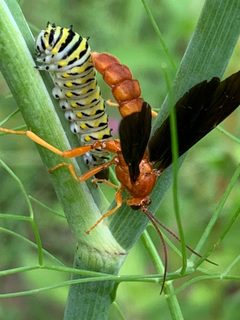
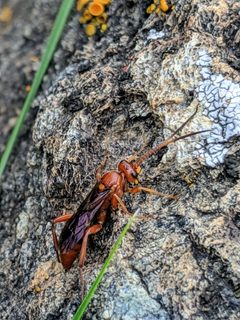
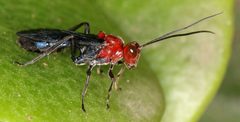
Chiroticina is a subtribe of ichneumon wasps within the tribe Ichneumonini, Ichneumoninae. Members are , a group characterized by laying in or on organisms. The subtribe is distinguished by specific morphological features of the forewing venation and areola structure. Little is known about the of most constituent .
Pronunciation
How to pronounce Chiroticina: //kaɪˌrɒtɪˈsaɪnə//
These audio files are automatically generated. While they are not always 100% accurate, they are a good starting point.
Identification
Chiroticina is distinguished from other subtribes of Ichneumonini by characteristics of the forewing areola, a closed in the wing venation. Members generally lack the strongly curved or angled areola found in related subtribes. Additional diagnostic features include details of the propodeum and structure, though these vary among constituent .
Images
Distribution
Records indicate presence across the Holarctic region, with observations from North America and Eurasia. Specific distribution patterns of the subtribe as a whole are poorly documented relative to better-studied ichneumonid groups.
Ecological Role
As with other ichneumonine , members are presumed to function as of Lepidoptera larvae or pupae, contributing to of and . Specific relationships for most Chiroticina remain undocumented.
Similar Taxa
- AlomyinaAnother subtribe of Ichneumonini; distinguished by differences in areola shape and propodeal carination
- PlatylabinaRelated subtribe with overlapping distribution; separated by forewing venation details and areola configuration
More Details
Taxonomic status
Chiroticina was established by Heinrich and represents a relatively small subtribe within the large tribe Ichneumonini. The subtribe includes such as Chiroticus and related . The classification of Ichneumonini into subtribes remains an active area of research, with some relationships debated.
Research limitations
The subtribe has received limited dedicated study. Most biological information derives from scattered descriptions and regional faunal surveys rather than focused ecological or behavioral research.