
Neotypus
Förster, 1869
Species Guides
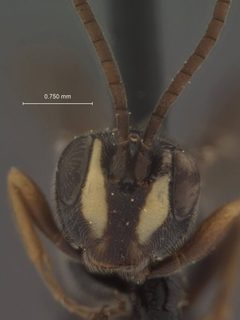
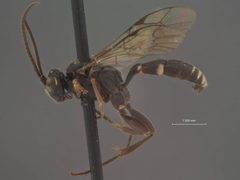
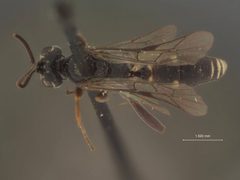
1Neotypus is a of ichneumonid wasps within the Ichneumoninae. in this genus are endoparasitoids of lycaenid butterflies, particularly those with myrmecophilous . Documented include Maculinea nausithous in Europe and Niphanda fusca in Japan. The genus has been recorded from Europe and East Asia, with specific distribution data available for Poland, Germany, and Japan.
Pronunciation
How to pronounce Neotypus: /niːˈoʊtɪpəs/
These audio files are automatically generated. While they are not always 100% accurate, they are a good starting point.
Identification
Neotypus can be distinguished from related ichneumonine by standard morphological characters of the tribe Ichneumonini, though specific diagnostic features for the genus are not detailed in available sources. Species-level identification requires examination of morphological characters; N. coreensis and N. melanocephalus show close genetic similarity based on COI barcoding despite geographic separation.
Images
Habitat
Associated with supporting large of lycaenid butterflies. For N. pusillus, this includes areas with Sanguisorba officinalis, the larval food plant of Maculinea nausithous.
Distribution
Europe: recorded from Poland (Lower Silesia, Poznań area, Polesie, Upper Silesia), Germany (Upper Rhine valley), Denmark, Norway, Sweden. Asia: Japan (Kyushu, Oita Prefecture).
Host Associations
- Maculinea nausithous - endoparasitoid for N. pusillus and N. melanocephalus; develops in host pupae
- Niphanda fusca - endoparasitoid for N. coreensis in Japan; represents different host than European
Life Cycle
Endoparasitoid development inside pupae. females oviposit on or near host caterpillars. For N. pusillus, oviposition occurs on flowerheads of Sanguisorba officinalis containing Maculinea nausithous caterpillars.
Behavior
females locate caterpillars on larval food plants for oviposition.
Ecological Role
of myrmecophilous lycaenid butterflies. The relationship with endangered such as Maculinea nausithous and Niphanda fusca may influence conservation dynamics of these .
Human Relevance
Subject of conservation-related research due to associations with endangered . N. melanocephalus has been used in genetic studies using microsatellite markers.
Similar Taxa
- Other Ichneumoninae generaNeotypus belongs to tribe Ichneumonini; differentiation requires morphological examination of characters such as wing venation, propodeal structure, and ovipositor features
- Neotypus melanocephalus / N. coreensis / N. pusillusThese congeneric show morphological similarity and close genetic similarity (COI barcoding), requiring careful examination for species-level identification; associations may provide diagnostic information given different host in different geographic regions
More Details
Host specificity and biogeography
N. coreensis demonstrates geographic variation in use: Japanese parasitize Niphanda fusca, while European populations parasitize Maculinea . This pattern suggests either host switching or cryptic diversity requiring further investigation.
Research applications
Microsatellite markers developed for N. melanocephalus provide tools for genetic studies, enabling investigation of and population structure in this .
Sources and further reading
- BugGuide
- GBIF taxonomy match
- iNaturalist taxon
- NCBI Taxonomy
- Catalogue of Life
- Nine polymorphic microsatellite loci for the parasitic wasp Neotypus melanocephalus (Hymenoptera: Ichneumonidae)
- Rediscovery of Neotypus coreensis (Hymenoptera: Ichneumonidae) from Japan, a parasitoid of the endangered butterfly Niphanda fusca (Lepidoptera: Lycaenidae)
- Neotypus pusillus Gregor, 1940 (Hymenoptera, Ichneumonidae) endoparasite of Maculinea nausithous (Bergsträsser, 1779) (Lepidoptera, Lycaenidae): new data on distribution in Poland with remarks on its biology