
Cryptus rufovinctus
Pratt, 1945
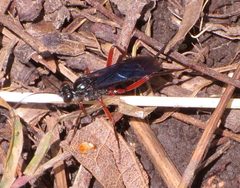
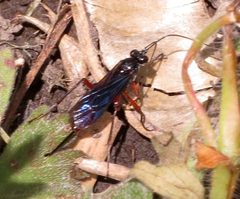
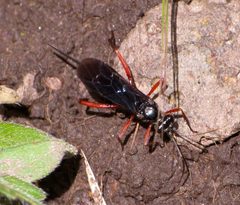
Cryptus rufovinctus is a of ichneumon described by Pratt in 1945. It belongs to the Cryptus, a group of wasps within the Ichneumonidae. The species epithet 'rufovinctus' suggests reddish banding coloration. Very few observations exist for this species, with only one record in iNaturalist as of the available data.
Pronunciation
How to pronounce Cryptus rufovinctus: //ˈkrɪp.təs ruː.foʊˈvɪŋk.təs//
These audio files are automatically generated. While they are not always 100% accurate, they are a good starting point.
Identification
Distinguishing C. rufovinctus from other Cryptus requires examination of color pattern, particularly the reddish banding implied by the specific epithet. Detailed morphological features such as wing venation, propodeal , and ovipositor length relative to body size would be needed for definitive identification. The Cryptus is characterized by a laterally compressed metasoma and reduced areolet in the forewing.
Images
Distribution
Known from the type locality and minimal additional records; precise geographic range is poorly documented. The single iNaturalist observation suggests occurrence in North America, consistent with the authorship pattern of mid-20th century North American ichneumonid .
Ecological Role
As a member of Ichneumonidae, this likely functions as a of other insects, though specific relationships remain undocumented.
Similar Taxa
- Other Cryptus speciesRequire careful examination of color pattern and genitalic structures; many Cryptus share the compressed metasoma and general body plan.
- Ichneumonidae in related genera (e.g., Apechthis, Echthrus)Similar body form and size; separation relies on details of wing venation, particularly the presence or absence of an areolet, and metasomal structure.
More Details
Taxonomic note
Pratt's 1945 description of this falls within a period of intensive ichneumonid in North America. The limited modern records suggest either genuine rarity, undercollection, or potential synonymy awaiting revisionary study.
Data deficiency
With only one iNaturalist observation and minimal literature presence, this exemplifies the 'dark ' problem in hyperdiverse groups where many described species lack subsequent study.