
Ichneutes
Nees, 1814
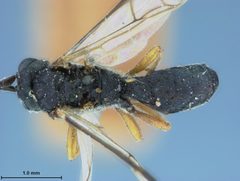
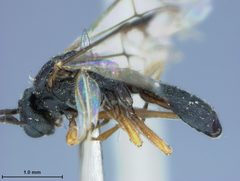
Ichneutes is a of in the Braconidae, established by Christian Gottfried Daniel Nees von Esenbeck in 1814. The genus belongs to the large and diverse ichneumonoid wasp superfamily, which contains thousands of that parasitize other insects. Very few observations of Ichneutes have been recorded, with only 4 documented on iNaturalist. The genus has been reported from parts of northern Europe including Denmark, Norway, and Sweden.
Pronunciation
How to pronounce Ichneutes: //ɪkˈnjuːtiːz//
These audio files are automatically generated. While they are not always 100% accurate, they are a good starting point.
Identification
Without -level examination, Ichneutes cannot be reliably distinguished from other small braconid . Members of Braconidae generally have a characteristic wing venation with a reduced areolet (closed in the forewing) or lack it entirely, and possess a short, stout ovipositor relative to body length. Definitive identification to genus requires examination of morphological characters including antennal structure, propodeal , and metasomal tergite characteristics under magnification.
Images
Distribution
Documented from Denmark (DK), Norway (NO), and Sweden (SE). The limited distribution records suggest a northern European range, though this may reflect sampling rather than true geographic restriction.
Ecological Role
As members of Braconidae, in this are presumed to function as of other insects, contributing to of their . The specific host relationships for Ichneutes remain undocumented.
Similar Taxa
- Other Braconidae generaMany small braconid share reduced wing venation and compact body forms, requiring detailed morphological examination for separation.
- IchneumonidaeThe similar superfamily Ichneumonoidea contains with generally longer, more slender ovipositors and often more complex wing venation; Ichneutes and other Braconidae typically have shorter ovipositors and reduced venation.
More Details
Taxonomic history
The was established by Nees in 1814, an early period in braconid when many genera were first described. The limited modern records suggest either genuine rarity, cryptic habits, or under-collection relative to other braconid genera.
Data limitations
Only 4 iNaturalist observations and sparse literature references indicate significant knowledge gaps. No -level treatments or revisionary studies are readily accessible for this .