
Chrysopophthorus
Goidanich, 1948
Species Guides
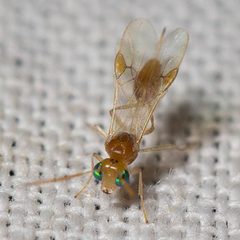
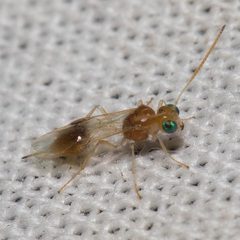
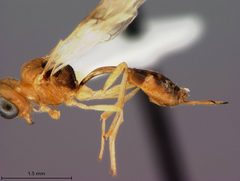
1Chrysopophthorus is a of in the Braconidae, with approximately eight described distributed across four continents. The genus exhibits a notably wide geographic range, with species described from North America, South and Central America, Europe, and Asia. At least one species, C. americanus, is known to parasitize green lacewings (Chrysopidae), representing a specialized association.
Pronunciation
How to pronounce Chrysopophthorus: //ˌkrɪsoʊˈpɒfθərəs//
These audio files are automatically generated. While they are not always 100% accurate, they are a good starting point.
Identification
Members of this can be recognized among Braconidae by their association with specific groups; the genus name itself references lacewings (Chrysopo-). For definitive identification, reference to original descriptions and taxonomic revisions is required. The genus was revised by Mason (1964), who described several new species.
Images
Distribution
Four continents: North America (United States), South and Central America, Europe, and Asia (Malaya). Specific distributions include: C. americanus in the United States; C. tropicalis, C. caribbeanus, and C. brasileanus in South and Central America; C. hungaricus and C. elegans in Europe; and C. orientalis in Malaya.
Host Associations
- Chrysopidae - green lacewings are known for at least C. americanus; female insert into the , with larvae developing as internal before exiting to pupate.
Life Cycle
Based on observations of C. americanus: the female inserts her into the of an . The larva hatches and feeds as an internal within the host, eventually exiting to pupate externally.
Behavior
have been observed attracted to ultraviolet light sources, likely due to their (lacewings) also being attracted to lights.
Ecological Role
of lacewings, potentially regulating of these predatory insects.
Similar Taxa
- HelorimorphaC. hungaricus was previously classified in this before transfer to Chrysopophthorus; both genera share morphological similarities that required taxonomic revision to distinguish.
More Details
Taxonomic history
The was established by Goidanich in 1948. A major revision by Mason in 1964 described five new and established the modern concept of the genus. C. chrysopimaginis was synonymized with C. hungaricus, which was transferred from Helorimorpha.
Undescribed diversity
The wide geographic distribution across four continents suggests potential for additional undescribed species, particularly in regions between the known disjunct distributions.