
Lasioglossum hitchensi
Gibbs, 2012
Hitchens's Sweat Bee
Lasioglossum hitchensi is a of sweat bee in the Halictidae, described by Gibbs in 2012. It belongs to the Lasioglossum, the largest genus of bees with over 1,700 species. Like other members of this genus, it is likely a small to medium-sized with nesting habits typical of ground-nesting halictids. The species is known from limited observations, primarily from Vermont in the northeastern United States.
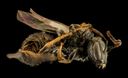
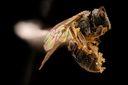
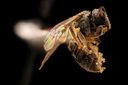
Pronunciation
How to pronounce Lasioglossum hitchensi: //læsi.oʊˈɡlɒsəm ˈhɪtʃənsi//
These audio files are automatically generated. While they are not always 100% accurate, they are a good starting point.
Identification
Lasioglossum hitchensi can be distinguished from other Lasioglossum through detailed examination of morphological characters, particularly male genitalia and female scopal hairs, as is standard for this taxonomically challenging . The species was described relatively recently (2012), suggesting it may be cryptic or previously confused with similar . Identification to species level typically requires microscopic examination and reference to the original description by Gibbs.
Images
Habitat
Based on the limited distribution records from Vermont, this likely inhabits temperate deciduous or mixed forest regions of the northeastern United States. Many Lasioglossum species favor open, sunny areas with exposed soil for nesting, often in fields, forest edges, or disturbed ground.
Distribution
Recorded from Vermont, United States. The is considered present in North America based on GBIF records, with specific confirmed occurrences in Vermont.
Life Cycle
As a member of Halictidae, L. hitchensi likely exhibits the typical ground-nesting of the : solitary females excavate burrows in soil, provision nest with pollen and nectar, and lay that develop through complete . Some Lasioglossum show semi-social behavior with multiple females sharing nest entrances, but whether this applies to L. hitchensi specifically is unknown.
Ecological Role
As a , this likely contributes to pollination of wildflowers in its . Members of Lasioglossum are foragers and important components of native , though their specific ecological role relative to other pollinators in Vermont has not been quantified.
Similar Taxa
- Lasioglossum (Dialictus) speciesThe subgenus Dialictus contains many small, morphologically similar that require expert examination to distinguish; L. hitchensi may be easily confused with these without detailed morphological analysis.
- Other Lasioglossum species in the northeastern USThe Lasioglossum is taxonomically challenging with many cryptic ; accurate identification of L. hitchensi requires reference to the original description and comparison with sympatric .
More Details
Taxonomic note
Lasioglossum hitchensi was described by Gibbs in 2012, making it a relatively recently recognized . This suggests it may have been previously overlooked or confused with similar species, a common occurrence in the taxonomically difficult Lasioglossum.
Data limitations
This is represented by only 12 observations on iNaturalist and limited GBIF records. Most aspects of its —appearance, , , and ecological preferences—remain undocumented in the accessible literature.
Sources and further reading
- BugGuide
- GBIF taxonomy match
- iNaturalist taxon
- NCBI Taxonomy
- Catalogue of Life
- Just inTime for Pollinator Week | Bug Squad
- Bug Eric: Don't Sweat 'em
- Back-Seat Driver: The Parasite That Makes Bees Drop Off Its Babies
- Building a Better Bee Trap: Researchers Say Bee Bowls Are Overused
- Bug Eric: White Prairie Clover: An Awesome Blossom
- Not-so Solitary Bees - Buglife Blog - Buglife