Lasioglossum coeruleum
(Robertson, 1893)
Deep-blue Sweat Bee
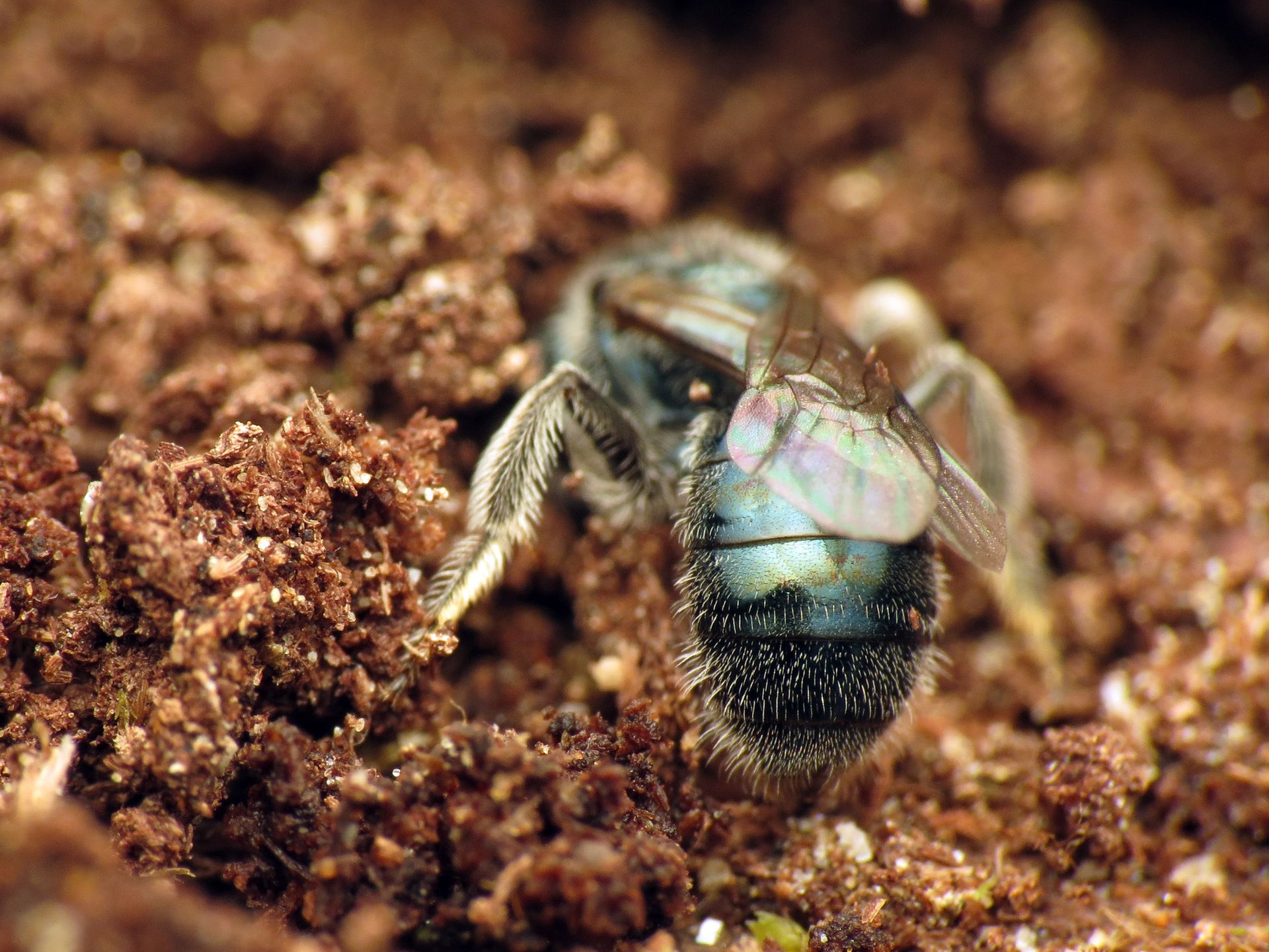
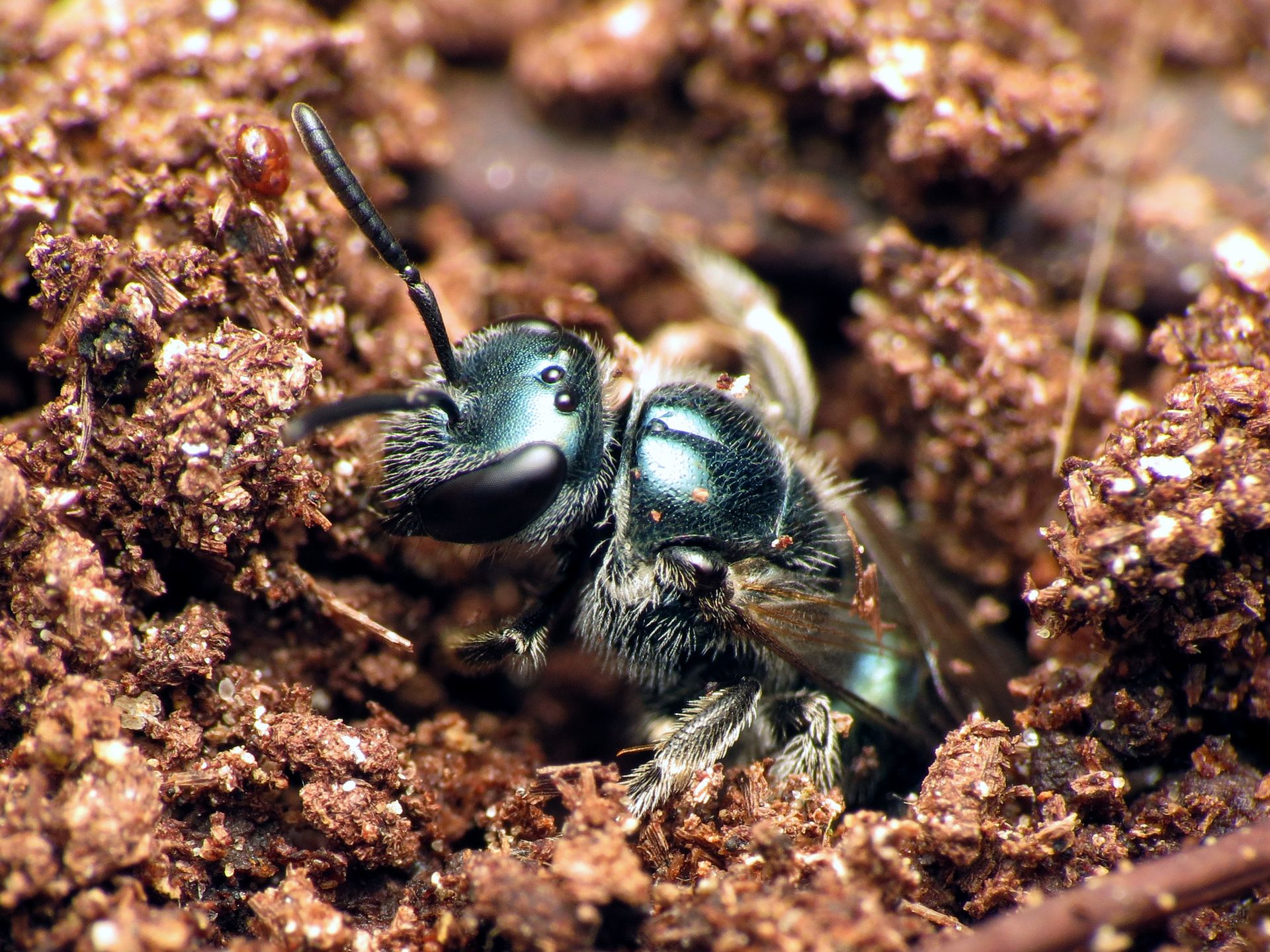
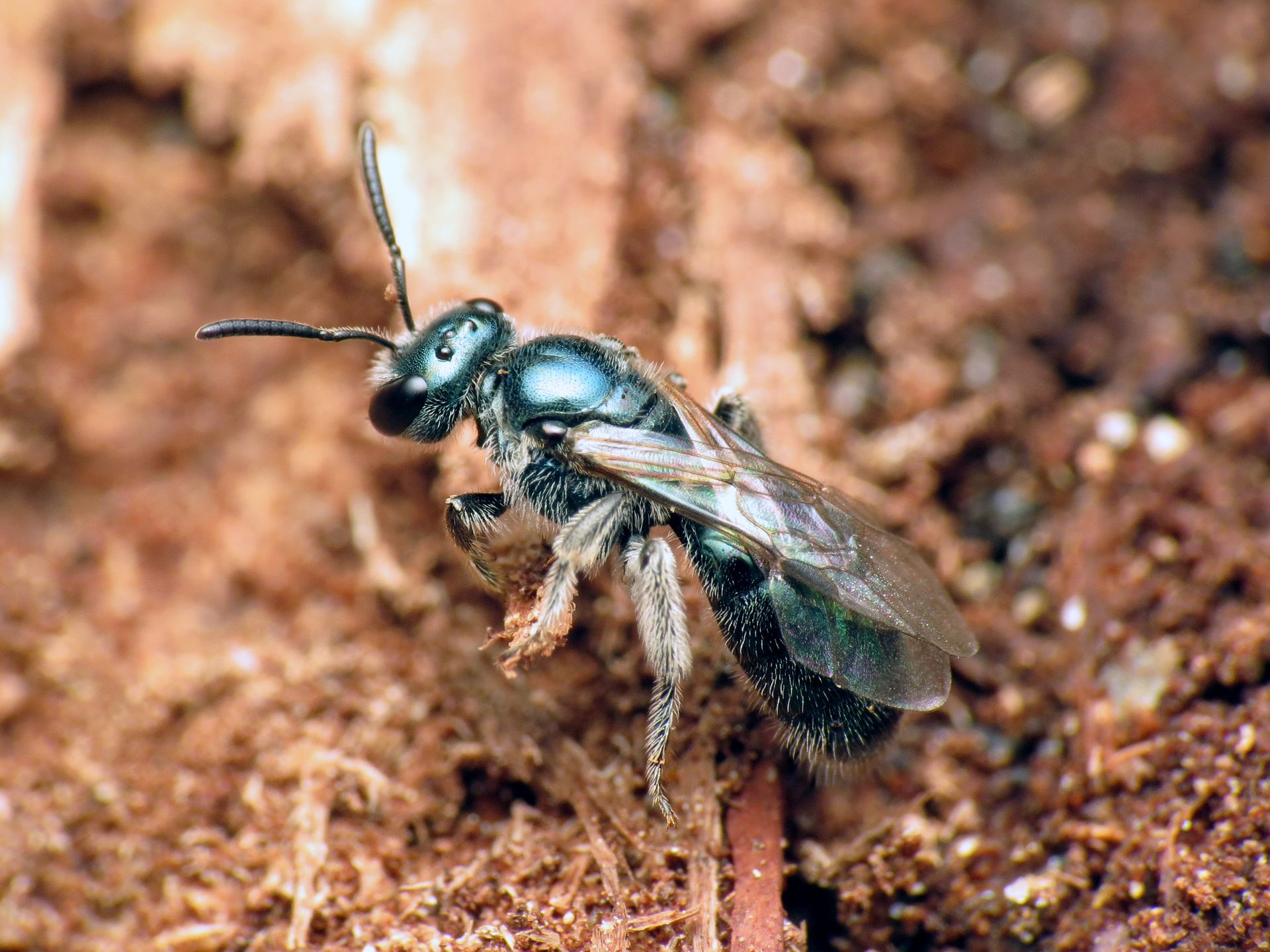
Lasioglossum coeruleum is a of sweat in the . It is commonly known as the Deep-blue Sweat Bee. The species was described by Robertson in 1893 and is native to North America.
Pronunciation
How to pronounce Lasioglossum coeruleum: /ˌlæsiˈoʊˌɡlɒsəm kɪˈrʊliəm/
These audio files are automatically generated. While they are not always 100% accurate, they are a good starting point.
Identification
The specific epithet 'coeruleum' (Latin for deep blue) suggests distinctive blue coloration, though detailed morphological descriptions are not available in the provided sources. As a member of Lasioglossum, it is likely a small to medium-sized , but distinguishing features from require specialist examination.
Images
Distribution
North America. Specific records include Vermont, United States. The is present in the broader North American region according to GBIF distribution data.
More Details
Taxonomic Notes
The name is sometimes spelled 'caeruleum' in literature, though the original description by Robertson (1893) used 'coeruleum'. The iNaturalist platform lists 376 observations of this species.
Genus Context
Lasioglossum is the largest of , with more than 1,700 worldwide. Members of this genus are frequently captured in bowl trap surveys, often dominating collections due to their abundance and small size.
Sources and further reading
- BugGuide
- Wikipedia
- GBIF taxonomy match
- iNaturalist taxon
- NCBI Taxonomy
- Catalogue of Life
- Just inTime for Pollinator Week | Bug Squad
- Bug Eric: Don't Sweat 'em
- 🌿 Botanizing w/ the WGNSS Botany Group at Victoria Glades Preserve | Beetles In The Bush
- Back-Seat Driver: The Parasite That Makes Bees Drop Off Its Babies
- October | 2025 | Beetles In The Bush
- Building a Better Bee Trap: Researchers Say Bee Bowls Are Overused