
Myrmelachistini
Forel, 1912
Myrmelachistine Ants
Genus Guides
1- Brachymyrmex(Rover Ants)
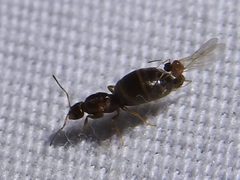
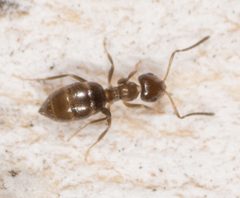
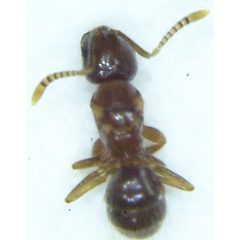
Myrmelachistini is a tribe of ants in the Formicinae, resurrected in 2016 from synonymy under Plagiolepidini. The tribe contains two : Brachymyrmex (rover ants) and Myrmelachista. Together these genera comprise at least 50 described . The tribe is characterized by specific morphological and molecular distinctions that separate it from other formicine tribes.
Pronunciation
How to pronounce Myrmelachistini: /ˌmɜːrmɛləˈkɪstɪnaɪ/
These audio files are automatically generated. While they are not always 100% accurate, they are a good starting point.
Identification
Myrmelachistini is distinguished from the related tribe Plagiolepidini by molecular phylogenetic data and specific morphological characters. Brachymyrmex are small, ants with 9-segmented and reduced palp formula. Myrmelachista species are similarly small with reduced and a distinctive compact mesosoma. Both lack the enlarged metapleural gland orifice seen in some other formicine tribes.
Images
Distribution
in Myrmelachistini occur across the Neotropical region, with Brachymyrmex extending into the Nearctic and Myrmelachista ranging from southern North America through Central and South America. Some Brachymyrmex species have been introduced to other regions.
Human Relevance
Brachymyrmex (rover ants) are occasionally considered nuisance pests when they enter structures. Some species have been introduced outside their native ranges, though impacts appear limited. Myrmelachista species are known for their associations with plants, including some cases of of scale insects, though specific economic impacts are not well documented.
Similar Taxa
- PlagiolepidiniMyrmelachistini was historically synonymized under Plagiolepidini and shares general formicine ; molecular data and specific character states now separate the two tribes.
- Brachymyrmex (when identifying to genus)Small size and reduced can cause confusion with other small formicine such as Paratrechina or some Nylanderia, though antennal segmentation and palp formula differ.
More Details
Taxonomic History
Myrmelachistini was originally described by Forel in 1912, later synonymized under Plagiolepidini, and resurrected as a valid tribe in 2016 based on molecular phylogenetic analysis by Ward et al. (2016). The resurrection involved transferring Brachymyrmex and Myrmelachista from Plagiolepidini.