
Zopheroteras compressum
(Gillette, 1891)
Zopheroteras compressum is a of gall wasp in the Cynipidae, originally described as Acraspis compressus by Gillette in 1891. Like other members of its family, it is an obligate plant that induces gall formation on plants. The species has been documented through 202 iNaturalist observations, indicating it is not uncommon but remains poorly studied in the scientific literature. As a cynipid , it likely exhibits the typical of alternating sexual and , though specific details for this species are not well documented.
Pronunciation
How to pronounce Zopheroteras compressum: //zoʊ.fɛˈroʊ.tɛ.ræs kəmˈprɛs.əm//
These audio files are automatically generated. While they are not always 100% accurate, they are a good starting point.
Identification
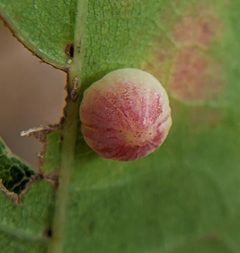
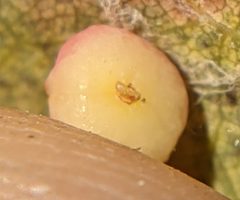
Zopheroteras compressum can be distinguished from other cynipid by its association with specific plant galls. The epithet "compressum" refers to a compressed or flattened body form, which may aid in identification. Accurate identification requires examination of the induced galls on host plants and microscopic analysis of morphological features. It is distinguished from congeneric species by subtle differences in gall and adult antennal structure.
Images
Habitat
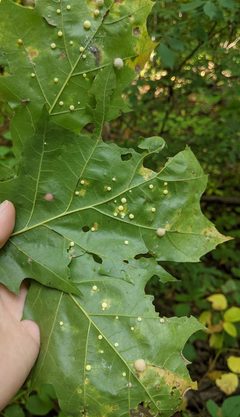
Found in areas supporting its plants, which are oak (Quercus). Occurs in woodland , forest edges, and areas with mature oak trees. Specific microhabitat preferences are tied to the distribution and age structure of host oak .
Distribution
Documented in North America based on iNaturalist observations and historical records. The original description by Gillette (1891) suggests a western North American distribution, likely centered in regions where the oaks occur.
Seasonality
timing is linked to plant , with activity periods corresponding to oak growth cycles. Specific seasonal patterns are not well documented but likely follow the typical cynipid pattern of spring emergence for sexual and summer to fall for generations.
Host Associations
- Quercus - gall inducer plant ; specific oak not definitively documented
Life Cycle
Has been observed to exhibit the typical cynipid involving , with sexual and phases producing different gall types on oaks. Specific details of developmental stages and timing for this are not well documented.
Ecological Role
Acts as a gall inducer on oaks, creating novel plant tissue structures that provide for a of , , and other associated organisms. The galls represent a significant form of plant-animal interaction that influences oak resource allocation and supports secondary biodiversity.
Human Relevance
No direct economic or agricultural significance has been documented. Of interest to entomologists and natural historians studying gall wasp diversity and oak-associated insect .
Similar Taxa
- Other Zopheroteras speciesShare similar associations and gall ; require detailed examination of morphology and gall structure for separation
- Other Cynipidae on QuercusNumerous cynipid induce galls on oaks; Z. compressum is distinguished by its specific gall and confirmed through specimen identification
More Details
Taxonomic history
Transferred from Acraspis to Zopheroteras, reflecting changes in understanding of cynipid generic relationships. The basionym Acraspis compressus Gillette, 1891 indicates the original description in a different .
Data limitations
Despite 202 iNaturalist observations, peer-reviewed literature on this is sparse. Most biological information is inferred from -level characteristics rather than species-specific studies.