
Holocynips badia
(Bassett, 1900)
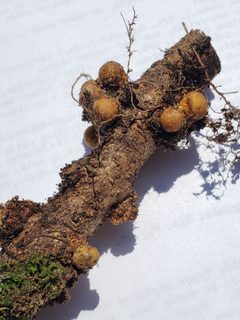
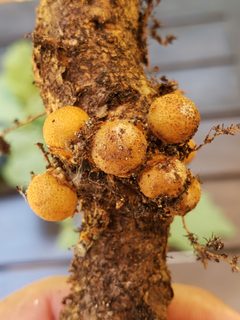
Holocynips badia is a of gall wasp in the Cynipidae, originally described by Bassett in 1900. It belongs to a of cynipid that induce galls on oak plants. Like other members of Cynipidae, it is likely associated with oak (Quercus spp.), though specific host records for this species are not well documented in available sources. The species is known from limited observations, with 15 records on iNaturalist suggesting it is rarely encountered or underreported.
Pronunciation
How to pronounce Holocynips badia: /hɒloʊˈsɪnɪps ˈbeɪdiə/
These audio files are automatically generated. While they are not always 100% accurate, they are a good starting point.
Identification
As a member of Holocynips, this can be distinguished from other cynipid by features of the gall structure and typical of the genus. Specific diagnostic characters for H. badia are not documented in available sources. Identification to species level likely requires examination of the associated gall morphology and plant, or detailed morphological study of adult specimens.
Images
Distribution
Specific distribution records are sparse. Based on iNaturalist observations, the has been documented from limited locations, though precise range boundaries are unknown. The Holocynips occurs in North America.
Host Associations
- Quercus - likely gall inducer-level association inferred from Cynipidae, which is predominantly associated with oaks; specific records for H. badia not documented
Ecological Role
As a gall-inducing cynipid , the likely functions as a plant that manipulates oak tissue to form protective structures (galls) for larval development. These galls may provide microhabitats for other organisms (, ), contributing to local diversity.
Similar Taxa
- Other Holocynips species induce similar oak galls; differentiation requires examination of gall , specificity, or morphological characters
- Other Cynipidae on oaksNumerous cynipid induce galls on oaks; Holocynips may be distinguished by gall structure, location on , and taxonomic characters
More Details
Taxonomic history
Originally described as Andricus badius by Bassett in 1900, later transferred to Holocynips. The original description and subsequent taxonomic revisions are not detailed in available sources.
Data limitations
This is poorly represented in public databases. The 15 iNaturalist observations represent a substantial portion of accessible occurrence data, suggesting significant gaps in knowledge regarding its , distribution, and associations.