
Nyssonini
Latreille, 1804
Genus Guides
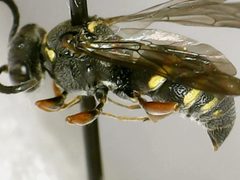
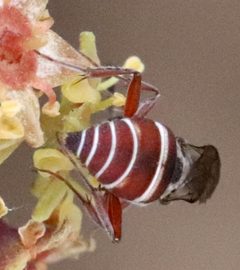
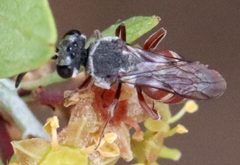
4Nyssonini is a tribe of cleptoparasitic within the Bembicinae, Crabronidae. Members are characterized by distinctive wing venation and heavily sculptured body surfaces. The tribe comprises approximately 238 across 18 with worldwide distribution. As , they exploit the nests of other wasps rather than constructing their own.
Pronunciation
How to pronounce Nyssonini: //nɪˈsəʊnɪniː//
These audio files are automatically generated. While they are not always 100% accurate, they are a good starting point.
Identification
Distinguished from other Bembicinae by the second submarginal of the forewing. The combination of strongly sculptured and mesosoma, sharp propodeal projections, and spiny hind tibiae separates most Nyssonini from non-cleptoparasitic relatives. These sculpturing features reflect the cleptoparasitic lifestyle, as robust body construction aids in nest intrusion.
Images
Distribution
Worldwide distribution across multiple continents.
Behavior
Cleptoparasitic: females enter nests of (primarily other Crabronidae) to deposit . Larvae consume host provisions rather than being directly provisioned by parents. No nest construction by females.
Ecological Role
Acts as within sand wasp , potentially regulating densities and influencing nesting success of host .
Similar Taxa
- Other Bembicinae tribes (non-cleptoparasitic)Non-cleptoparasitic bembicines lack the second submarginal and typically show reduced body sculpturing; they construct and provision their own nests rather than exploiting those of other .
More Details
Classification history
Authored by Latreille in 1804. NCBI groups this tribe under 'bees' due to phylogenetic proximity within , though members are (Crabronidae).