
Bethylus
Latreille, 1802
Species Guides
2Bethylus is a of ectoparasitoid in the Bethylidae, comprising approximately 47 distributed primarily in the Palaearctic and Nearctic regions. Members of this genus are characterized by distinct morphological features including equal-sized second and third antennomeres, blunt barely bidentate , an oval depressed , small non-prominent , and an oval metasoma. The genus was first recorded from the Korean Peninsula in 2025. Females are known to sting and malaxate prey before dragging it to concealed locations for oviposition.
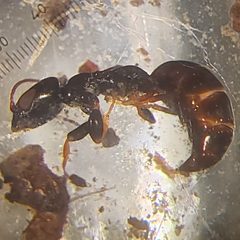
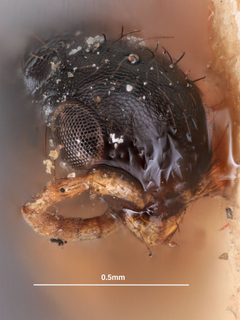
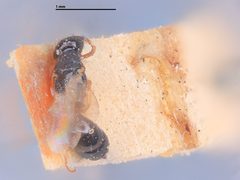
Pronunciation
How to pronounce Bethylus: /ˈbɛθɪləs/
These audio files are automatically generated. While they are not always 100% accurate, they are a good starting point.
Identification
Distinguished from other Bethylidae by the combination of equal-sized second and third antennomeres, blunt barely bidentate , oval depressed with small non-prominent , and oval metasoma. Molecular identification supported by COI barcode sequences.
Images
Appearance
Small ectoparasitoid with diagnostic morphological features: second and third antennomeres equal in size, blunt barely bidentate , oval depressed , small non-prominent , and oval metasoma.
Habitat
Collected in a garden at 608 m elevation near the Demilitarized Zone in Gangwon Province, South Korea. General preferences for the are poorly documented.
Distribution
Primarily Palaearctic and Nearctic regions. Documented in Europe (including Denmark, Norway, Sweden), North America, and recently recorded from the Korean Peninsula (Gangwon Province). Thirteen previously recorded in East Asia: one from the Russian Far East, three from Japan, and ten from China.
Host Associations
- olethreutid moths - documented for some in the United States
- nitidulid beetles - documented for some in the United States
Life Cycle
Females sting and malaxate relatively large prey, drag it to a concealed location such as a hollow stem, and lay several on the . Multiple larvae develop on a single host. This description is based on observations of B. cephalotes and B. fuscicornis.
Behavior
Ectoparasitoid : females sting prey to immobilize it, malaxate (knead) the body, and transport it to concealed locations such as hollow stems for oviposition. Collected using .
Ecological Role
Ectoparasitoid of insects, specifically documented as parasitizing olethreutid and nitidulid beetles. Functions as a agent of pest insects.
More Details
Taxonomic note
The comprises approximately 47 . B. colligatus was described as a new species from South Korea in 2025, representing the first record of the genus from the Korean Peninsula.
Data limitations
Ecological information on Bethylus is explicitly noted as limited in available literature. associations and descriptions are derived from studies of other in the (B. cephalotes, B. fuscicornis, and unspecified US species) and may not apply to all members of the genus.