
Nomada vegana
Cockerell, 1903
nomad bee
Nomada vegana is a of kleptoparasitic nomad bee in the Apidae, first described by Cockerell in 1903. As a member of the Nomada, it exhibits the characteristic cuckoo bee lifestyle of laying in the nests of species rather than constructing its own nests or collecting pollen. The species is known from Central America and North America, with iNaturalist recording over 1,800 observations. Like other Nomada species, it likely targets nests of Andrena or related ground-nesting bees as hosts.
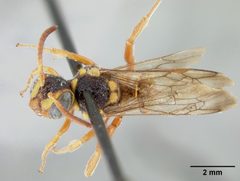
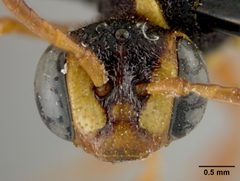

Pronunciation
How to pronounce Nomada vegana: /nɔˈmaː.da veˈɡaː.na/
These audio files are automatically generated. While they are not always 100% accurate, they are a good starting point.
Images
Distribution
Central America and North America. GBIF records confirm presence in Middle America and North America.
Ecological Role
Sources and further reading
- BugGuide
- Wikipedia
- GBIF taxonomy match
- iNaturalist taxon
- NCBI Taxonomy
- Catalogue of Life
- Image by UC Davis Alumnus Ian Wright Appears in ESA World Calendar | Bug Squad
- entomology | Blog - Part 10
- Northern Ireland, invertebrate finds in review 2023 - Buglife Blog - Buglife
- Not-so Solitary Bees - Buglife Blog - Buglife
- Bare ground experiments to help save rare bees and wasps - Buglife Blog - Buglife
- behaviour | Blog