
Nomada utahensis
Moalif, 1988
Utah Nomad Bee
Nomada utahensis is a of cuckoo bee in the Apidae, first described by Moalif in 1988. As a member of the Nomada, it exhibits kleptoparasitic , laying in the nests of species rather than constructing its own nests. The species is known from North America, with limited observational records available.
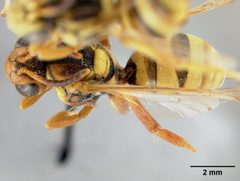
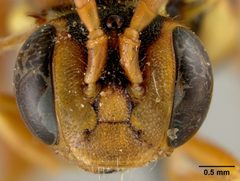
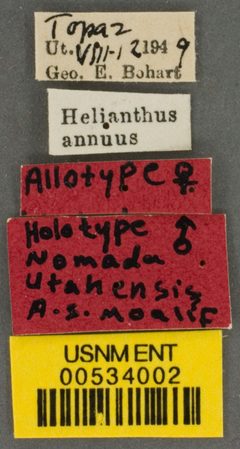
Pronunciation
How to pronounce Nomada utahensis: //noʊˈmædə juːtəˈhɛnsɪs//
These audio files are automatically generated. While they are not always 100% accurate, they are a good starting point.
Images
Distribution
North America. Specific distribution details beyond this continental range are not documented in available sources.
Diet
As a kleptoparasitic cuckoo bee, females lay in nests; larvae consume the host's pollen and nectar provisions after destroying the host egg or larva.
Ecological Role
Kleptoparasite of other ; specific relationships for this species are not documented.
Sources and further reading
- BugGuide
- Wikipedia
- GBIF taxonomy match
- iNaturalist taxon
- NCBI Taxonomy
- Catalogue of Life
- Image by UC Davis Alumnus Ian Wright Appears in ESA World Calendar | Bug Squad
- entomology | Blog - Part 10
- Northern Ireland, invertebrate finds in review 2023 - Buglife Blog - Buglife
- Not-so Solitary Bees - Buglife Blog - Buglife
- Bare ground experiments to help save rare bees and wasps - Buglife Blog - Buglife
- behaviour | Blog