
Nomada obliterata
Cresson, 1863
Obliterated Nomad
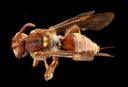
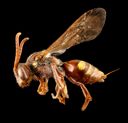
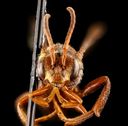
Nomada obliterata is a of kleptoparasitic cuckoo bee in the Apidae, first described by Cresson in 1863. As a member of the Nomada, it is presumed to lay in the nests of species, though specific host associations for this particular species have not been documented. The species is known from North America, with confirmed records from Vermont, USA.
Pronunciation
How to pronounce Nomada obliterata: //nəʊˈmɑːdə ˌɒblɪtəˈrɑːtə//
These audio files are automatically generated. While they are not always 100% accurate, they are a good starting point.
Images
Distribution
North America; specifically recorded from Vermont, USA. Distribution records are sparse, with only 32 observations documented on iNaturalist as of the available data.
Ecological Role
As a kleptoparasitic cuckoo bee, Nomada obliterata likely functions as a of other , though specific ecological impacts remain undocumented for this species.
More Details
Taxonomic context
Nomada obliterata belongs to the tribe Nomadini within the Nomadinae, a group of approximately 300 described of cuckoo bees worldwide. The Nomada is the largest genus of cuckoo bees, with many species exhibiting complex - relationships primarily with Andrena (mining bees) and related genera.
Sources and further reading
- BugGuide
- Wikipedia
- GBIF taxonomy match
- iNaturalist taxon
- NCBI Taxonomy
- Catalogue of Life
- Image by UC Davis Alumnus Ian Wright Appears in ESA World Calendar | Bug Squad
- entomology | Blog - Part 10
- Northern Ireland, invertebrate finds in review 2023 - Buglife Blog - Buglife
- Not-so Solitary Bees - Buglife Blog - Buglife
- Bare ground experiments to help save rare bees and wasps - Buglife Blog - Buglife
- behaviour | Blog