
Ancyloscelidini
Genus Guides
1Ancyloscelidini is a tribe of bees within the Apidae. The tribe comprises four recognized : Ancyloscelis, Chilimalopsis, Eremapis, and Teratognatha. These bees are primarily distributed in arid and semi-arid regions of the Americas. Published research on this tribe remains limited, and many aspects of their are poorly documented.

Pronunciation
How to pronounce Ancyloscelidini: /ˌæŋkɨloʊˌskɛlɪˈdaɪnaɪ/
These audio files are automatically generated. While they are not always 100% accurate, they are a good starting point.
Identification
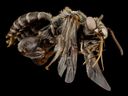
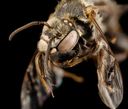
Members of Ancyloscelidini can be distinguished from other Apidae tribes by a combination of morphological characters including specialized leg structures and genitalic features. The Ancyloscelis exhibits distinctive foreleg modifications in males. However, precise identification requires examination of detailed morphological characters not readily visible in field observations.
Images
Habitat
within this tribe are associated with arid and semi-arid environments, including deserts and dry scrublands. They occur in regions with low precipitation and high temperatures.
Distribution
The tribe has a New World distribution, with records from North America, Central America, and South America. Individual show distinct geographic patterns: Chilimalopsis is restricted to Chile, Eremapis occurs in desert regions of the southwestern United States and Mexico, and Ancyloscelis and Teratognatha have broader distributions in the Americas.
Ecological Role
As bees, members of Ancyloscelidini likely function as within their native . Their role in arid pollination networks has been suggested but remains unquantified in published studies.
Similar Taxa
- EmphoriniAnother tribe within Apidae; Ancyloscelidini has been historically grouped with or confused with Emphorini due to shared morphological features and similar arid-zone distributions, though they are now recognized as distinct lineages.
- EuceriniAlso a tribe of long-horned bees in Apidae; Eucerini can resemble Ancyloscelidini in general body form and preference, but differ in male genitalic structure and leg .
More Details
Taxonomic history
The tribal classification of Ancyloscelidini has undergone revision. Some authors have treated Ancyloscelis and related within Emphorini, but current phylogenetic treatments recognize Ancyloscelidini as a distinct tribe. The tribal limits and relationships within the corbiculate and non-corbiculate Apidae remain active areas of research.
Research status
Ancyloscelidini is among the less-studied tribes. Basic biological data—including nesting , floral associations, and —are largely undocumented for most . The tribe is primarily known from taxonomic descriptions and museum specimens rather than field studies.