
Dictyonota
Curtis, 1827
Species Guides
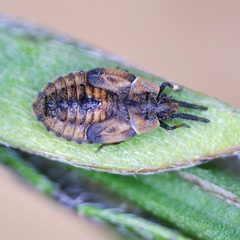
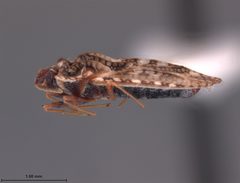
1- Dictyonota fuliginosa(broom lacebug)
Dictyonota is a of lace bugs in the Tingidae, comprising more than 60 described . The genus is predominantly Palearctic in distribution, with most species native to Europe. At least one species, Dictyonota fuliginosa, has established introduced in North America. As members of Tingidae, species in this genus possess the characteristic reticulated, lace-like forewings typical of the family.

Pronunciation
How to pronounce Dictyonota: //ˌdɪk.ti.əˈnoʊ.tə//
These audio files are automatically generated. While they are not always 100% accurate, they are a good starting point.
Identification
-level identification within Dictyonota requires examination of fine structural details of the pronotum, paranota, and forewing reticulation patterns. The can be distinguished from other Tingidae by the combination of hood-like pronotal expansions and specific patterns in the , though precise diagnostic features vary among species and require taxonomic keys.
Images
Distribution
Primarily Palearctic, with the majority of occurring in Europe. Documented distribution records include Denmark and Sweden. The has been introduced to North America through at least one species (D. fuliginosa), which has established reproducing .
Human Relevance
Dictyonota fuliginosa represents a documented case of a Palearctic lace bug establishing in North America, making the relevant to studies of insect and . No significant economic or agricultural impacts have been widely reported for the genus.
Similar Taxa
- TingisBoth belong to Tingidae and share the lace-like forewing reticulation; Dictyonota is distinguished by pronotal structure and wing patterns, though precise separation requires detailed morphological examination.
- StephanitisAnother lace bug with reticulated wings; differs in pronotal and paranotal , with Stephanitis often associated with different plant groups.
More Details
Taxonomic Status
The Dictyonota was established by Curtis in 1827. It remains taxonomically valid with over 60 accepted , though species-level may require revision. The genus is classified within the superfamily Tingoidea, infraorder Cimicomorpha.
Research Gaps
Most Dictyonota lack detailed biological studies. plant associations, , and ecological relationships are poorly documented for the majority of species, with most information concentrated on the introduced D. fuliginosa.