Teleonemia barberi
Drake, 1918
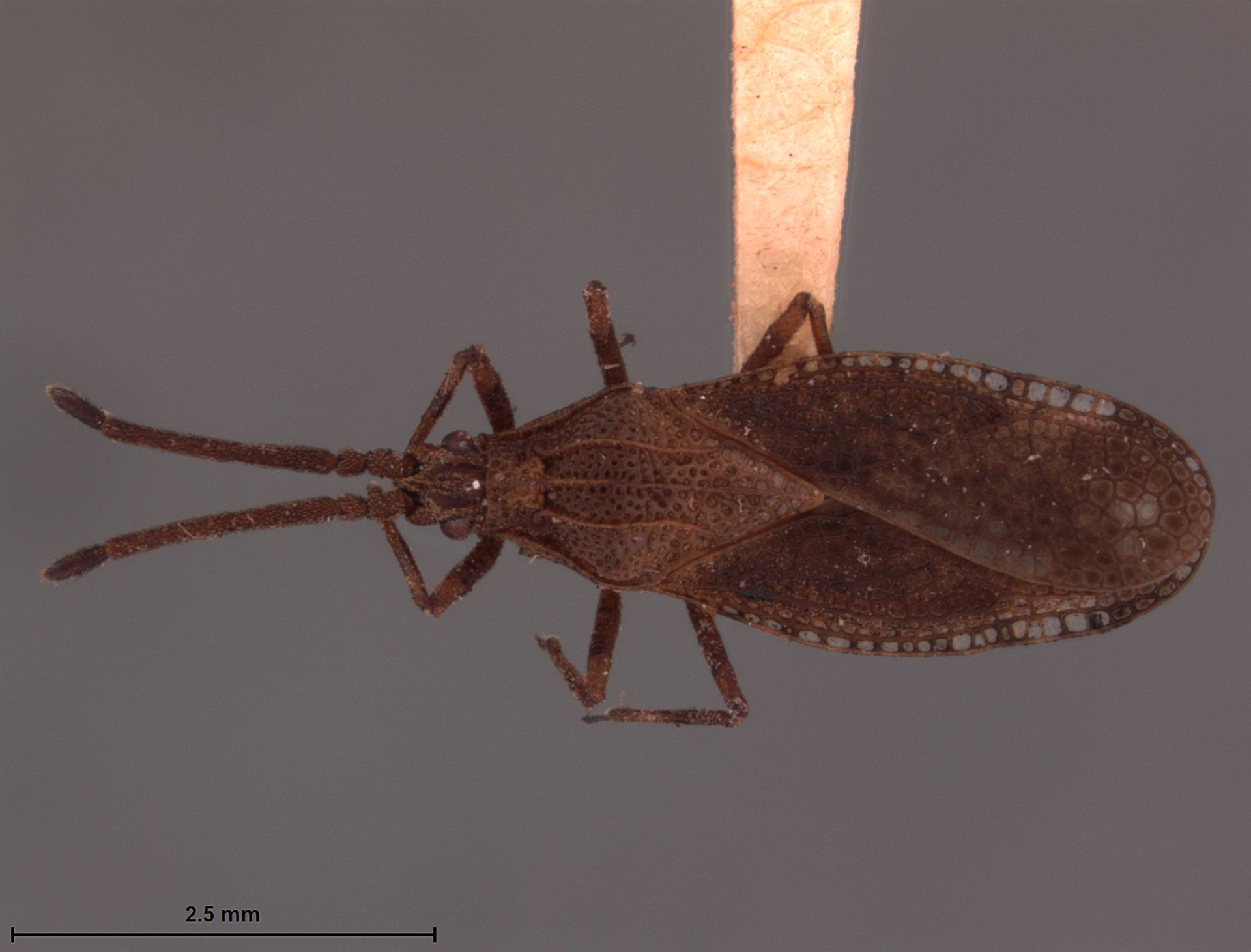
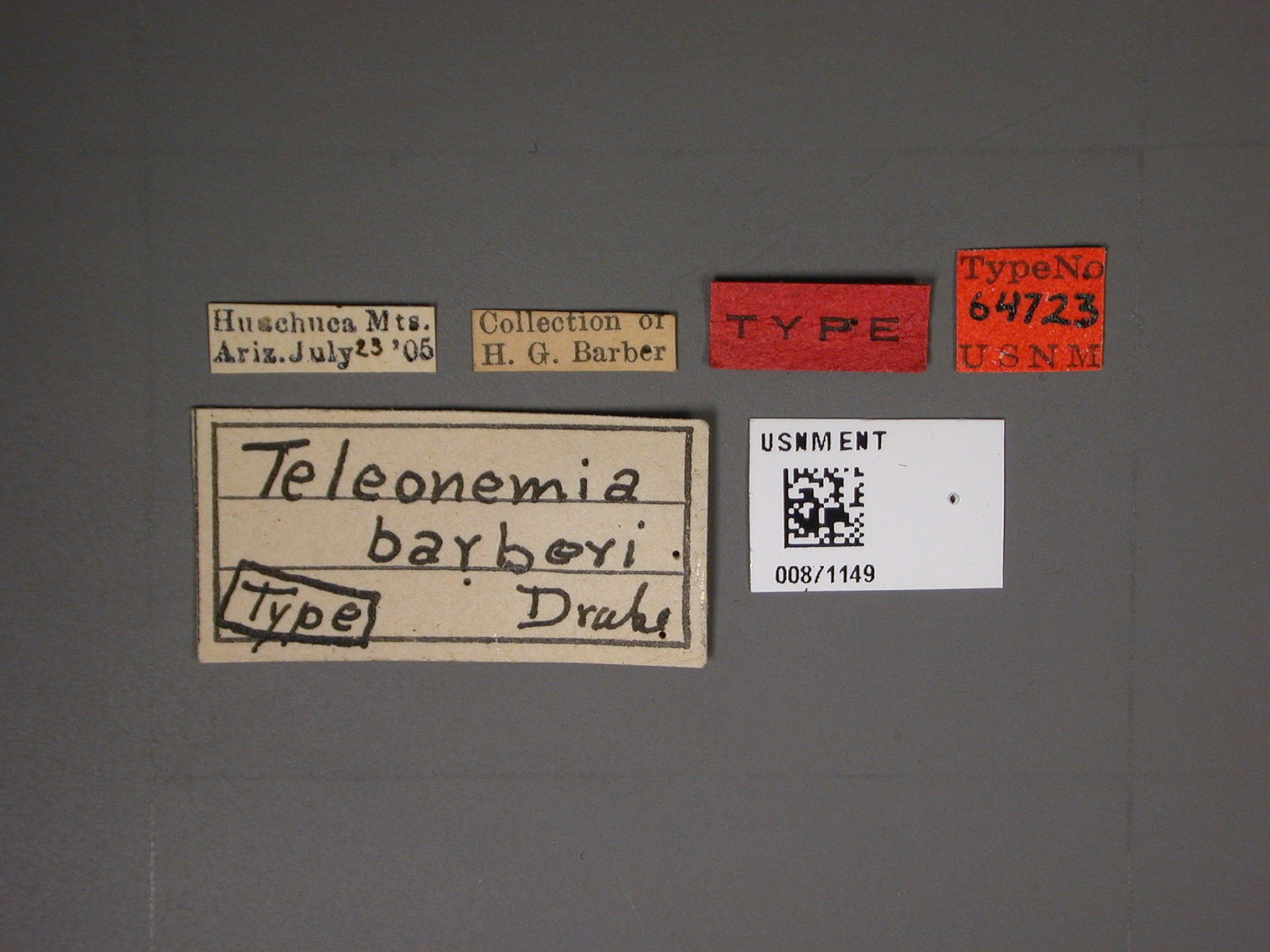
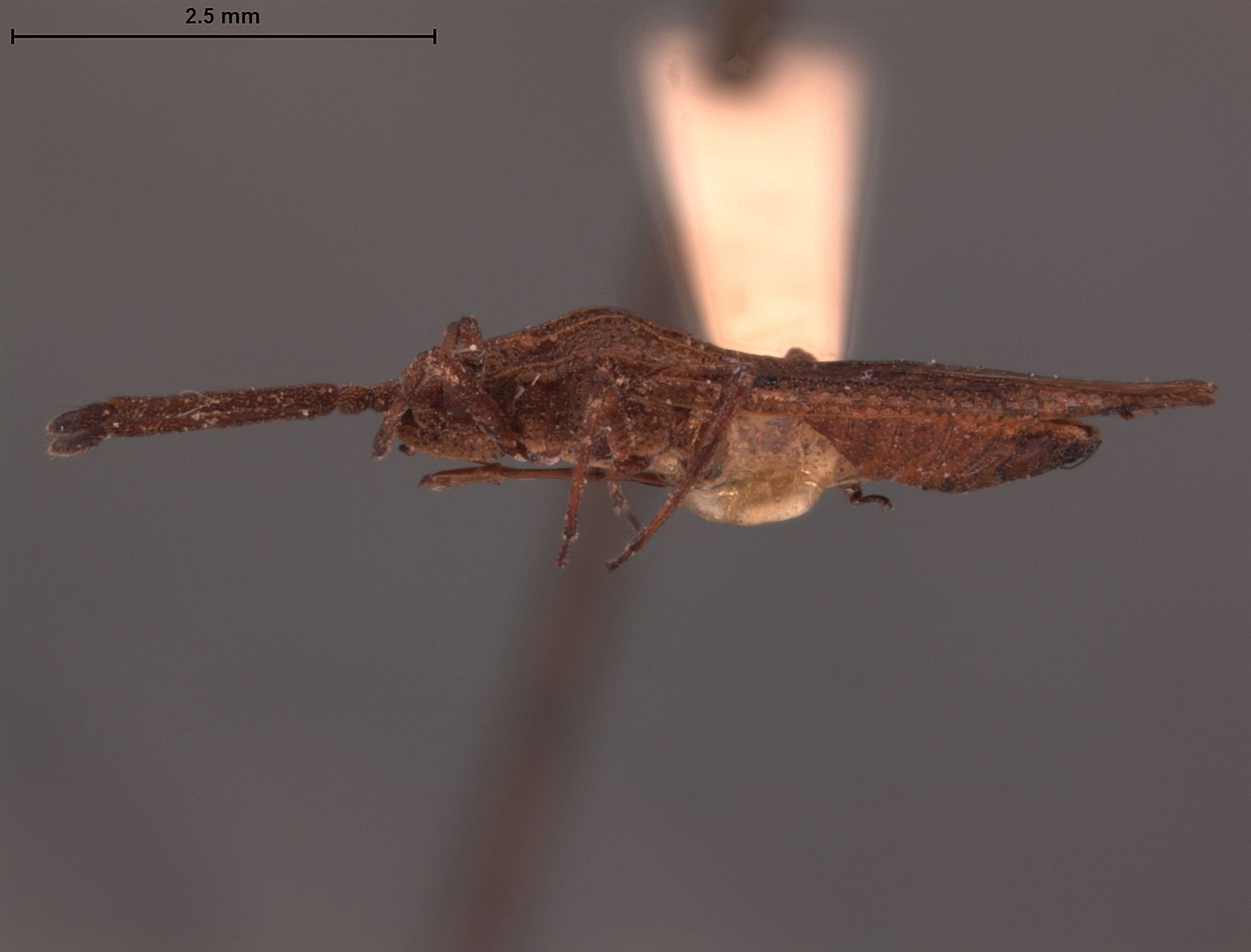
Teleonemia barberi is a of lace bug in the Tingidae, described by Drake in 1918. The species belongs to a known for species that feed on plants in the family Lamiaceae, particularly mints and related herbs. Distribution records indicate presence in Arizona and Texas. As with other tingids, it likely has the characteristic reticulated, lace-like forewings that give the family its .
Pronunciation
How to pronounce Teleonemia barberi: /ˌtɛliəˈniːmiə ˈbɑːrbəri/
These audio files are automatically generated. While they are not always 100% accurate, they are a good starting point.
Images
Distribution
Recorded from Arizona and Texas in the United States. GBIF distribution records indicate presence in North America with specific occurrences in ARIOO and TEXOO.
More Details
Taxonomic note
The specific epithet 'barberi' honors Herbert Spencer Barber (1882-1950), an American entomologist who worked extensively on Hemiptera and Coleoptera. The Teleonemia contains numerous , many of which are associated with specific plants in the mint (Lamiaceae).
Sources and further reading
- BugGuide
- GBIF taxonomy match
- Catalogue of Life
- Bugs in orange and black: Three assassins - milkweed assassin bug, Zelus longipes; orange assassin bug, Pselliopus barberi; and wheel bug, Arilus cristatus — Bug of the Week
- Bugs in orange and black – Three spooky assassins: milkweed assassin bug, Zelus longipes; orange assassin bug, Pselliopus barberi; and wheel bug, Arilus cristatus — Bug of the Week
- How One State's Mosquito Data Could Reduce Risk of Malaria Returning to U.S.
- Bug of the Week Academy Awards 2018 — Bug of the Week
- Farmer Feedback: Needs Assessment Reveals Growers' Views on Corn Insect Pests in Iowa
- For Western Corn Rootworm, Combo of Management Methods Critical to Slow Insecticide Resistance