
Dichocysta
Champion, 1898
Species Guides
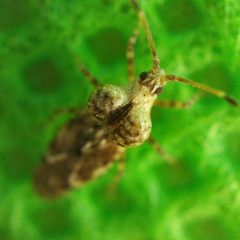
1Dichocysta is a of lace bugs in the Tingidae, described by Champion in 1898. Members of this genus belong to the true infraorder Cimicomorpha and are characterized by the distinctive reticulated, lace-like forewings typical of the family. The genus is part of a diverse group of small, plant-feeding insects known for their flattened bodies and intricate wing venation patterns. Dichocysta are found in the New World tropics.
Pronunciation
How to pronounce Dichocysta: //ˌdaɪkoʊˈsɪstə//
These audio files are automatically generated. While they are not always 100% accurate, they are a good starting point.
Identification
Dichocysta can be distinguished from other tingid by features of the pronotum and forewing structure, though specific diagnostic characters require examination of and original descriptions. The genus shares the -wide trait of elaborate areolate (net-like) forewings with raised chitinous networks, but differs from related genera in details of pronotal expansion and areole arrangement. Accurate identification to level requires knowledge and comparison with described type material.
Images
Distribution
New World tropics (based on -level occurrence patterns in Tingidae).
Similar Taxa
- CorythuchaAnother New World tingid with reticulate forewings; differs in pronotal and wing areolation patterns
- LeptobyrsaOverlapping geographic range; distinguished by pronotal and hemelytral
- TingisPalaearctic and worldwide ; differs in pronotal structure and areole pattern
More Details
Taxonomic history
Dichocysta was established by Champion in 1898 based on specimens from Central America. The has received limited modern taxonomic revision, and boundaries remain poorly defined in many cases.
Research status
The is rarely encountered in collections and has minimal published biological or ecological data. Most information derives from original taxonomic descriptions rather than field studies.