
Coquillettia
Uhler, 1890
Species Guides
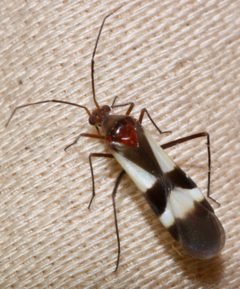
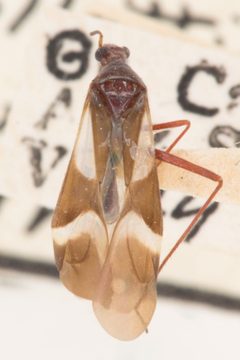
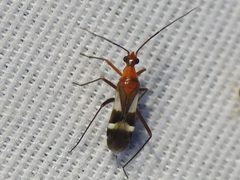
8Coquillettia is a of plant bugs in the Miridae, established by Uhler in 1890. The genus comprises more than 30 described . Members are true bugs (Hemiptera: Heteroptera) within the suborder characterized by . As Miridae, they belong to the largest family of heteropteran insects, commonly known as capsid bugs or plant bugs.
Pronunciation
How to pronounce Coquillettia: /kɒˈkwiːljtiə/
These audio files are automatically generated. While they are not always 100% accurate, they are a good starting point.
Identification
Coquillettia can be distinguished from other Miridae by genitalic characters and specific combinations of morphological traits used in taxonomic keys. Species-level identification requires examination of male and female genitalia. The genus is placed in the Orthotylinae based on phylogenetic and morphological analyses.
Images
Distribution
of Coquillettia have been documented in North America, with records from the United States and Mexico. The shows a Nearctic distribution pattern.
Ecological Role
As plant bugs, Coquillettia likely function as phytophagous insects feeding on plant vascular fluids, potentially contributing to nutrient cycling and serving as prey for .
Similar Taxa
- OrthotylusBoth belong to Orthotylinae and share general body plan and preferences; Coquillettia differs in specific genitalic and antennal segmentation patterns.
- HalticusAnother orthotyline with similar small size and plant-associated habits; distinguished from Coquillettia by differences in pretarsal structure and male genitalia.
More Details
Taxonomic history
The was established by Philip Reese Uhler in 1890. The name honors Daniel William Coquillett, an American entomologist known for his work on Diptera. have been described by multiple authors including Wyniger, with Coquillettia vicina being a representative species with type material deposited in the American Museum of Natural History.
Research collections
Primary of Coquillettia are housed in major entomological collections including the American Museum of Natural History (AMNH) and the University of California Riverside Entomology Research Museum (UCRC).