
Lasiochilus
Reuter, 1871
Species Guides
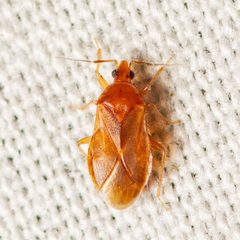
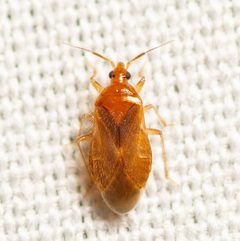
2- Lasiochilus hirtellus
- Lasiochilus pallidulus(Pale Pirate Bug)
Lasiochilus is a of minute pirate bugs in the Anthocoridae, established by Reuter in 1871. The genus comprises approximately 14–17 described . These predatory true bugs are part of the Lasiochilinae and tribe Lasiochilini. Members of this genus are small, cryptic insects that occur in diverse .
Pronunciation
How to pronounce Lasiochilus: //læsɪˈoʊkɪləs//
These audio files are automatically generated. While they are not always 100% accurate, they are a good starting point.
Identification
Lasiochilus can be distinguished from other Anthocoridae by features of the Lasiochilinae , including the structure of the ostiolar peritreme and genitalia characters. Species-level identification requires examination of male genitalia and other microscopic features. The is characterized by its placement within the tribe Lasiochilini, which has distinctive morphological traits separating it from related anthocorid genera.
Images
Distribution
of Lasiochilus have been recorded from multiple regions globally, though specific distribution data varies by species. The occurs in both the Old World and New World.
Ecological Role
As members of the Anthocoridae , Lasiochilus are presumed to function as of small arthropods and their , contributing to of pest in various .
Similar Taxa
- Other Anthocoridae generaLasiochilus can be distinguished from other minute pirate bug by subfamilial characters of Lasiochilinae, particularly the structure of the metathoracic and associated peritreme, as well as genitalic .
More Details
Taxonomic placement
The placement of Lasiochilinae has been subject to revision. While some sources (iNaturalist, Catalogue of Life) recognize Lasiochilidae as a distinct family, GBIF and NCBI classify Lasiochilus within Anthocoridae. The is consistently placed in Lasiochilinae and tribe Lasiochilini across sources.
Species count discrepancy
Sources differ on the number of described : Wikipedia cites approximately 17 species, while iNaturalist reports about 14. This discrepancy likely reflects ongoing taxonomic revisions and varying treatments of species validity.