
Evacanthini
Crumb, 1911
Genus Guides
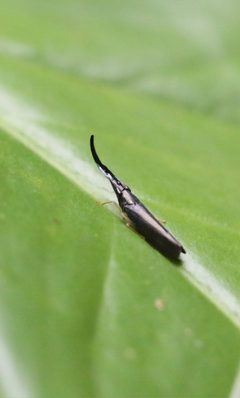
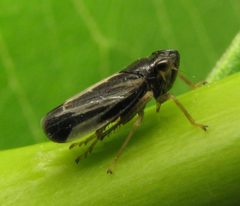
1Evacanthini is a tribe of leafhoppers within the Evacanthinae, Cicadellidae. Members are classified in the hemipteran suborder Auchenorrhyncha. The tribe was established by Crumb in 1911 and contains multiple of small to medium-sized leafhoppers.
Pronunciation
How to pronounce Evacanthini: //ˌɛ.vəˈkæn.θɪnaɪ//
These audio files are automatically generated. While they are not always 100% accurate, they are a good starting point.
Identification
Evacanthini leafhoppers are distinguished from other Evacanthinae tribes by genitalic characters, particularly features of the male and female sternite VII. They generally lack the pronounced facial projections found in some related leafhopper groups. Detailed identification requires examination of internal genitalic structures.
Images
Distribution
Evacanthini has a broad distribution with records from North America, Central America, South America, Europe, Asia, and Africa. The tribe shows greatest diversity in tropical and subtropical regions.
Ecological Role
As members of the leafhopper Cicadellidae, Evacanthini function as herbivores that feed on plant vascular fluids. They serve as prey for various , birds, and other , and may contribute to nutrient cycling through their feeding activities.
Similar Taxa
- NirvaniniAlso placed in Evacanthinae; distinguished by different male genitalic structures and often more elaborate facial ornamentation
- Evacanthinae (other tribes)Share characteristics but differ in genitalic and geographic distribution patterns
More Details
Taxonomic history
The tribe Evacanthini was established by S. E. Crumb in 1911. It has undergone various revisions in circumscription, with some moved to or from related tribes based on phylogenetic studies. Modern classification relies heavily on male and female genitalic .
iNaturalist observations
As of the source date, Evacanthini has accumulated over 3,000 research-grade observations on iNaturalist, indicating moderate documentation of the group by citizen scientists, though many records remain at tribe or level due to identification challenges.