Tinobregmus
Van Duzee, 1894
Species Guides
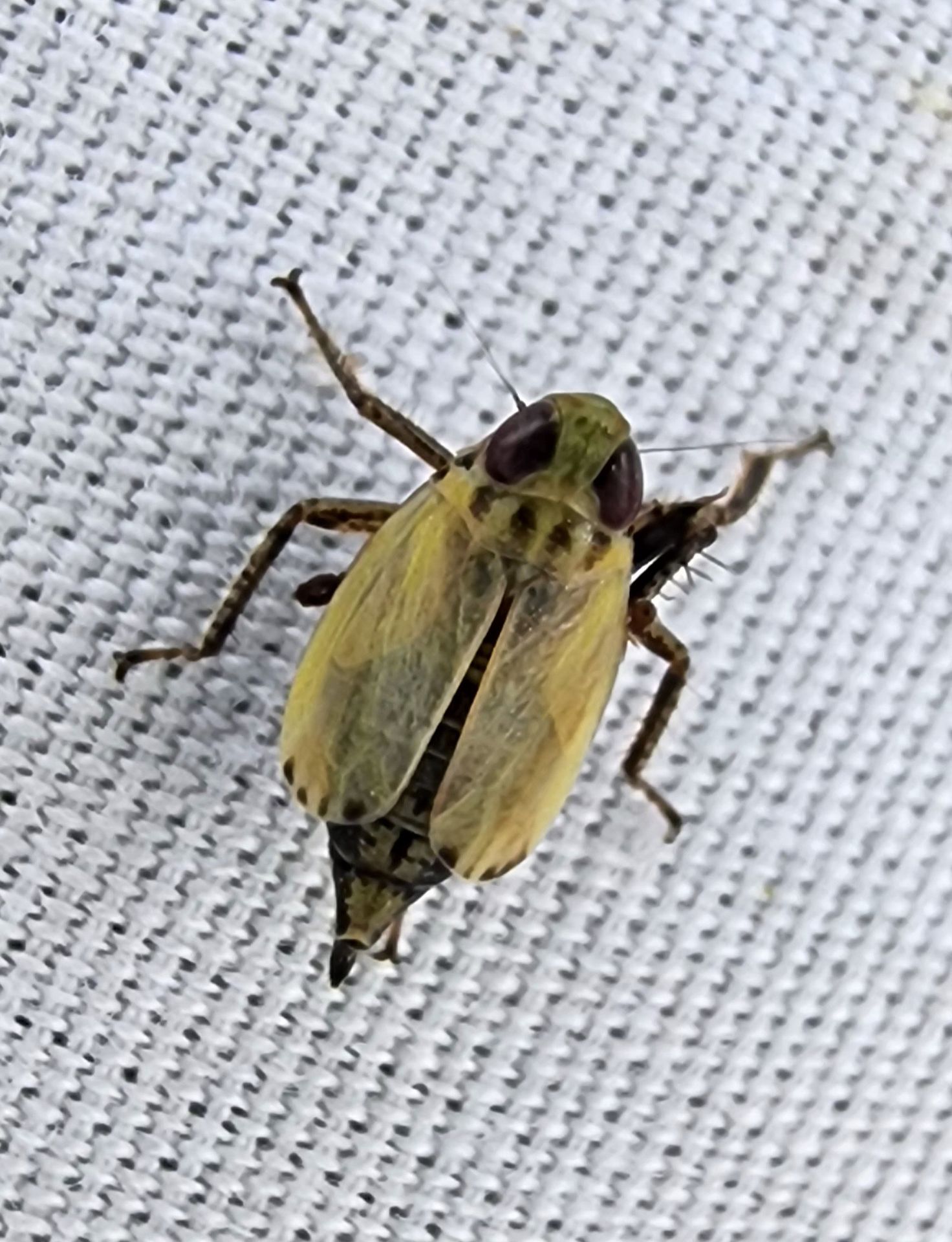
1Tinobregmus is a of leafhoppers in the Cicadellidae, Coelidiinae, and tribe Tinobregmini. The genus was established by Van Duzee in 1894. in this genus are small, active insects that feed on plant sap. The tribe Tinobregmini, which contains this genus, is characterized by specific morphological features of the and wing venation.
Pronunciation
How to pronounce Tinobregmus: /ˌtɪnoʊˈbrɛɡməs/
These audio files are automatically generated. While they are not always 100% accurate, they are a good starting point.
Identification
Members of Tinobregmus can be distinguished from other Coelidiinae by characteristics associated with their tribal placement in Tinobregmini. Specific identification requires examination of male genitalia and detailed wing venation patterns. The is part of a group characterized by particular shape and pronotal structure, though precise diagnostic features for the genus itself require taxonomic knowledge.
Images
Distribution
of Tinobregmus have been recorded in North America, with observations concentrated in the United States. The appears to have a temperate distribution pattern.
Ecological Role
As members of the leafhopper Cicadellidae, in this function as phloem feeders on plants. They may serve as prey for various and contribute to nutrient cycling in their .
Similar Taxa
- Other Coelidiinae generaTinobregmus belongs to the tribe Tinobregmini, which distinguishes it from other tribes within the Coelidiinae based on and wing venation patterns.
- Other Cicadellidae generaCan be distinguished from leafhoppers in other by the combination of structure, wing venation, and male genitalia characteristics typical of Coelidiinae.
More Details
Taxonomic History
The Tinobregmus was established by Van Duzee in 1894. The tribe Tinobregmini was erected to accommodate this and related genera within the Coelidiinae. The etymology of the genus name is not clearly documented in standard references.
Research Status
Tinobregmus is a relatively poorly studied . The 152 iNaturalist observations suggest some level of documentation, but detailed biological studies appear limited in the accessible literature. Most information derives from taxonomic rather than ecological research.