
Quesada
Distant, 1905
Giant Cicadas
Species Guides
1- Quesada gigas(Giant cicada)
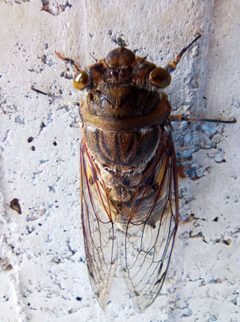
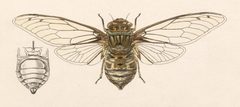
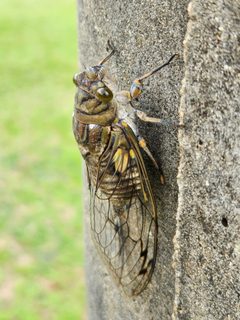
Quesada is a of giant cicadas in the Cicadidae, distributed across South and North America. The genus was established by Distant in 1905 and belongs to the tribe Fidicinini. in this genus are among the largest cicadas known, with Quesada gigas reaching body lengths up to 50 mm. The genus is characterized by its substantial size relative to other genera.
Pronunciation
How to pronounce Quesada: /keˈsa.da/
These audio files are automatically generated. While they are not always 100% accurate, they are a good starting point.
Identification
Distinguished from other primarily by large body size. The genus can be separated from other Fidicinini by a combination of genitalic and wing venation characters, though specific diagnostic features are not detailed in available sources. The substantial size of can serve as a field indicator of the genus presence.
Images
Appearance
Large-bodied cicadas with substantial size compared to most other . Quesada gigas, the type , can reach approximately 50 mm in body length. The (shed nymphal skins) are notably large and robust. Specific morphological details of coloration, wing venation, and body structure are not well-documented in the provided sources.
Habitat
Specific preferences are not well-documented. Based on distribution records, occur in varied environments across the Neotropics and southern Nearctic region. The type species Quesada gigas has been recorded from Brazil, suggesting tropical to subtropical forest or woodland habitats.
Distribution
South America and North America. Documented from Brazil (Mato Grosso do Sul), with broader distribution across the Neotropical region. The spans from southern North America through Central America to South America.
Life Cycle
Hemimetabolous development typical of cicadas, with nymphal stages spent underground feeding on xylem sap from plant roots. emerge from large left on vegetation. Specific details of -laying, nymphal development duration, and number of instars are not documented for this .
Behavior
Males produce acoustic signals for mate attraction, as is typical for cicadas. Specific song characteristics, calling periods, or other behavioral traits are not described in available sources.
Ecological Role
As large cicadas, and nymphs likely contribute to xylem sap consumption and nutrient cycling. Adults may serve as prey for birds and other . Specific ecological studies on this are lacking.
Human Relevance
Not documented as an agricultural pest or beneficial . Large size makes specimens notable for collectors and naturalists. The has been subject to taxonomic study but lacks applied economic significance in available literature.
Similar Taxa
- CacamaAnother large North American with substantial body size; differs in distribution primarily western North America and specific associations with cacti
- TibicenLarge-bodied cicadas with similar overall form; differs in song characteristics, distribution patterns, and specific wing venation details
More Details
Taxonomic history
The was established by W.L. Distant in 1905. Higher classification within Cicadidae has undergone revision, with Quesada currently placed in tribe Fidicinini, Cicadinae.
Etymology
The name 'Quesada' is a Latinized surname, presumably honoring a person, though the specific namesake is not documented in available sources.