Diceroprocta apache
(Davis, 1921)
citrus cicada, Apache cicada
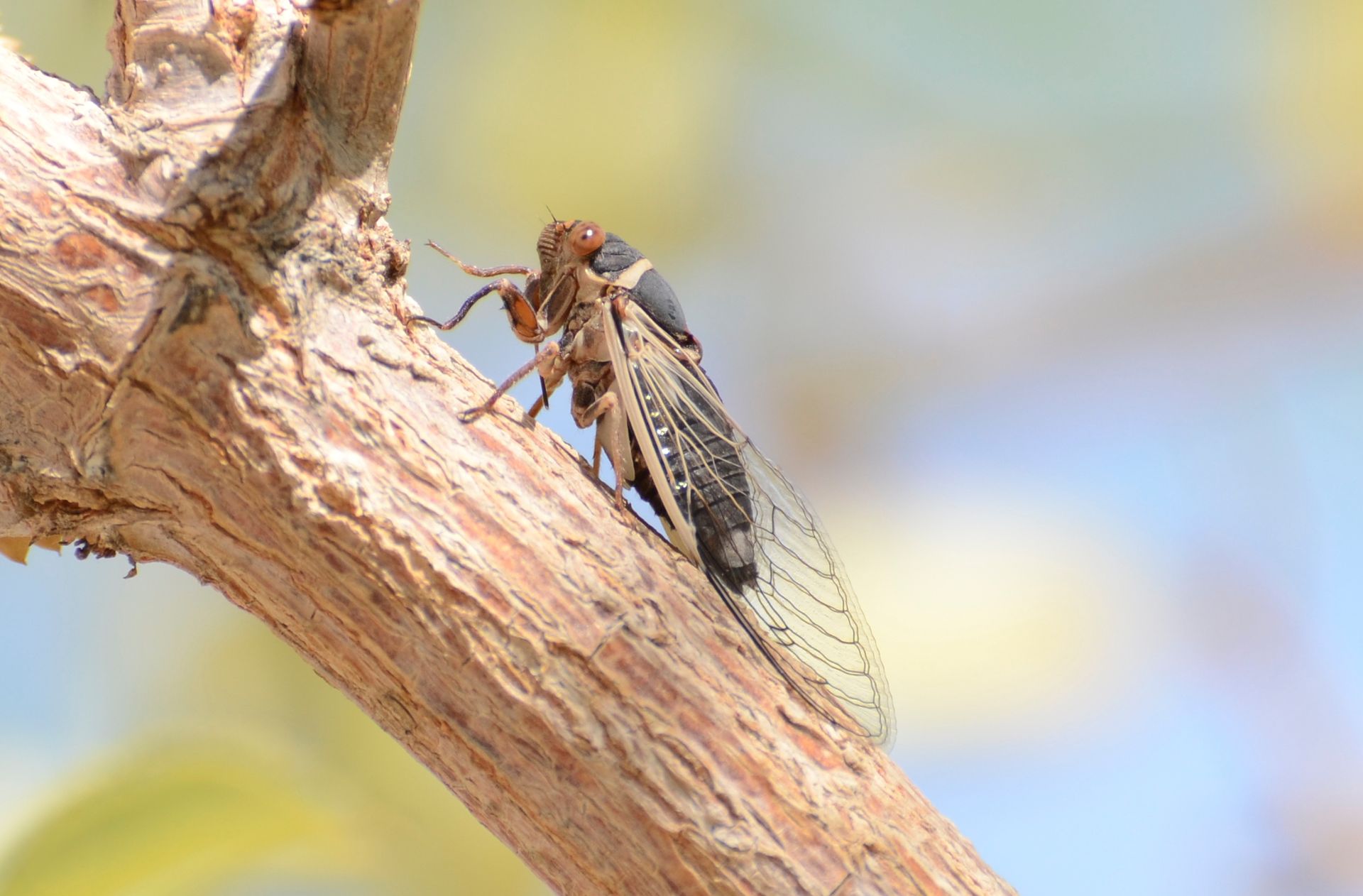
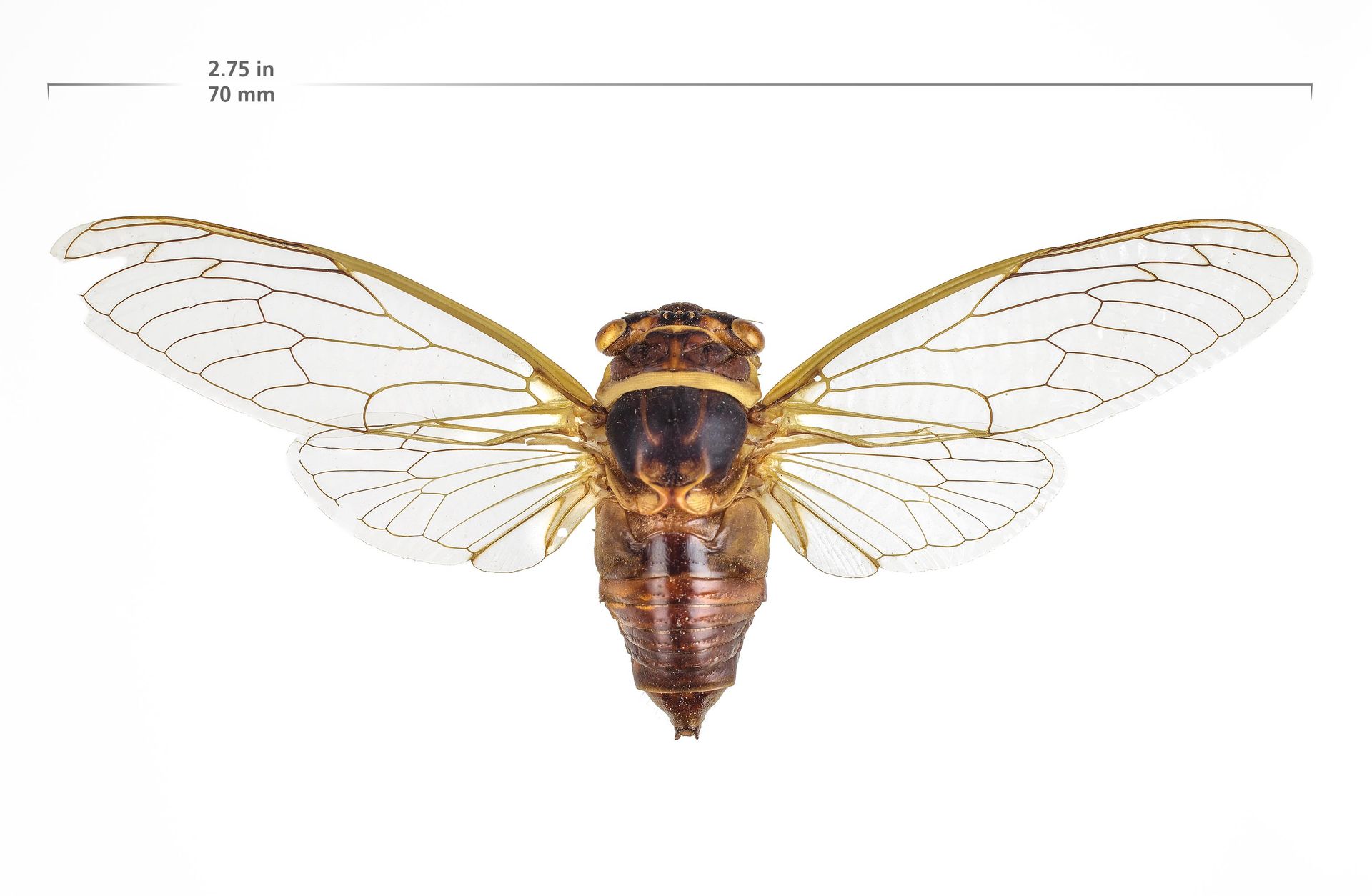
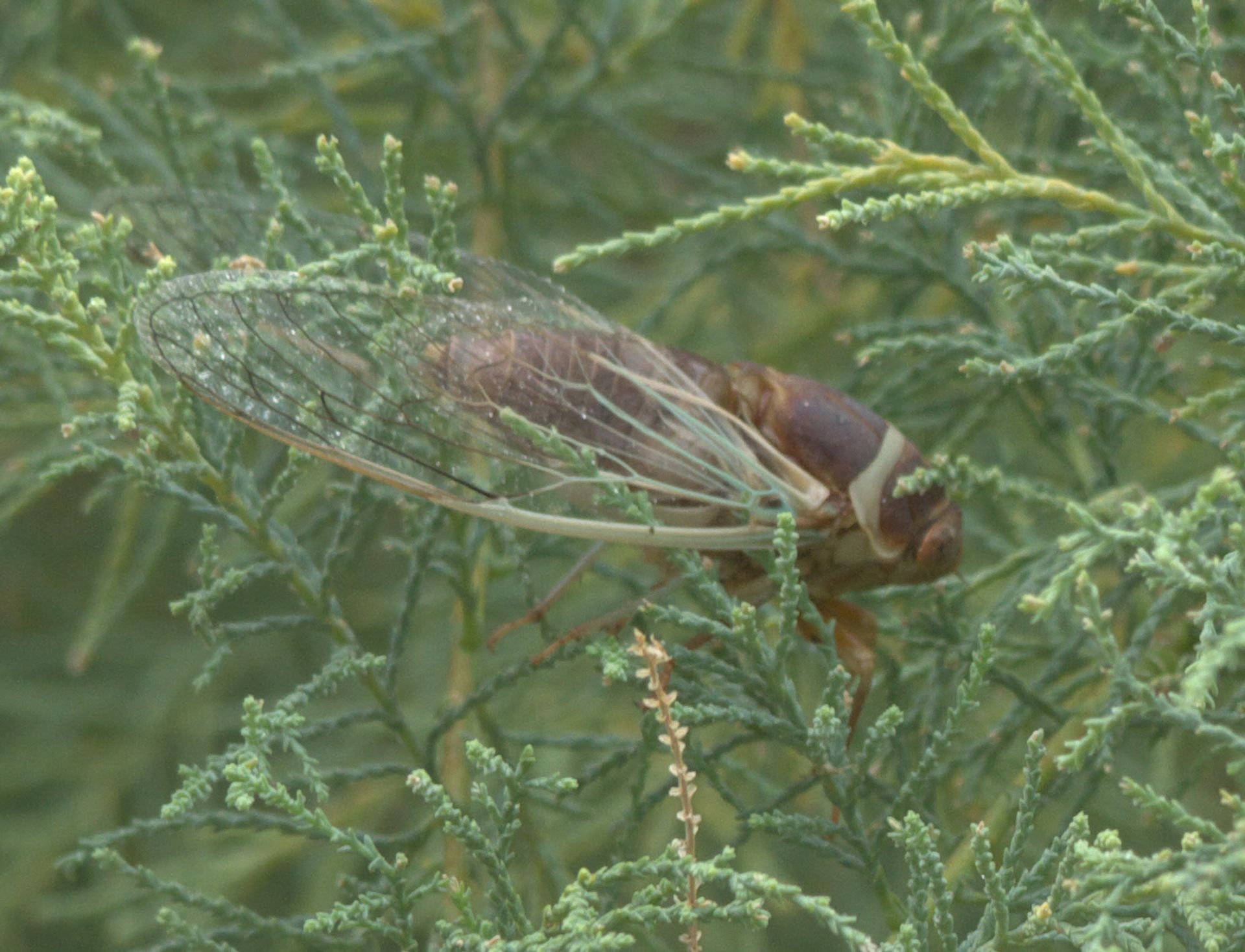
Diceroprocta apache is a in the Cicadidae, commonly known as the citrus cicada or Apache cicada. It has a of three to four years from to death. The species is an important component of riparian in desert regions. It serves as a documented for the Pacific Cicada Killer (Sphecius convallis). Research indicates its is negatively affected by saltcedar (Tamarix ramosissima) and positively associated with native Goodding's willow (Salix gooddingii) cover.
Pronunciation
How to pronounce Diceroprocta apache: /ˌdaɪsɛroʊˈprɒktə əˈpætʃi/
These audio files are automatically generated. While they are not always 100% accurate, they are a good starting point.
Images
Habitat
Riparian floodplain woodlands in desert regions. Associated with cover of native trees, particularly Goodding's willow (Salix gooddingii). Spatially aggregated in high- clusters averaging approximately 3 meters in diameter.
Distribution
Central America and North America. Documented in Arizona, Baja California, California, Colorado, and Nevada.
Host Associations
- Goodding's willow - associationPositive association with cover; native tree
- Tamarix ramosissima (saltcedar) - negative impact ; broad- negative association with in large continuous stands
- Sphecius convallis (Pacific Cicada Killer) - /Documented ; females paralyze and provision nests with this
Life Cycle
from to natural death is approximately three to four years. Underground nymphal development period not specified in sources.
Ecological Role
Important link in riparian hydrology and of desert regions. Serves as prey for specialized cicada-killer wasps.
Sources and further reading
- BugGuide
- Wikipedia
- GBIF taxonomy match
- iNaturalist taxon
- NCBI Taxonomy
- Catalogue of Life
- A Dragonfly to Behold: Within an Arm's Reach | Bug Squad
- Bug Eric: Wasp Wednesday: Pacific Cicada Killer
- Bug Eric: Bosque del Apache National Wildlife Refuge
- Bug Eric: Spider Sunday: Apache Jumping Spider
- Jeepers Creepers, where’d ya get those multilayered retinae? | Beetles In The Bush
- Factors of Reproduction and Population Densities in the Apache Cicada (Diceroprocta apache)
- Spatial correlations of Diceroprocta apache and its host plants: evidence for a negative impact from Tamarix invasion