
Diradius
Friederichs, 1934
Species Guides
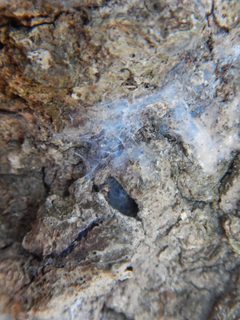
1Diradius is a of webspinners (order ) in the Teratembiidae, established by Friederichs in 1934. The genus comprises approximately 15 described distributed across the Neotropical region and parts of the southern United States. Webspinners in this genus possess silk-producing glands on the foretarsi, which they use to construct protective silk galleries in their .
Pronunciation
How to pronounce Diradius: /dɪˈreɪdiəs/
These audio files are automatically generated. While they are not always 100% accurate, they are a good starting point.
Identification
Diradius can be distinguished from other teratembiid by characteristics of the male genitalia and wing venation patterns, though specific diagnostic features require examination of . Males are typically winged and smaller than females; females are and remain within silk galleries throughout their lives. The Teratembiidae is characterized by reduced wing venation and specific tarsal silk gland compared to other embiopteran families.
Images
Habitat
in this inhabit tropical and subtropical environments where they construct silk-lined galleries under bark, in leaf litter, or within rocky crevices. These microhabitats provide protection from desiccation and while maintaining access to food resources.
Distribution
Recorded from Argentina (northeast), southern Brazil, Colombia, Cuba, and Florida (USA). The distribution pattern indicates a primarily Neotropical range with some extension into the southern Nearctic region.
Diet
Herbivorous, feeding on decaying plant material, lichens, and found within their gallery systems. Specific dietary preferences for individual have not been documented.
Life Cycle
Development proceeds through hemimetabolous with nymphal stages resembling smaller versions of . Females are known to provide maternal care within the silk galleries, a characteristic of the order . Detailed data for Diradius are not available.
Behavior
Individuals construct and inhabit extensive silk gallery systems using secretions from enlarged basitarsal glands on the forelegs. These galleries serve as shelter, foraging routes, and nursery chambers. Social has been observed in some embiopteran , though specific social structure in Diradius remains unstudied.
Ecological Role
Contributes to decomposition processes through consumption of dead plant material. The silk gallery systems may alter microhabitat conditions for other small in forest floor and subcortical .
Human Relevance
No documented economic importance. Occasionally collected for scientific study of embiopteran and silk production mechanisms.
Similar Taxa
- TeratembiaAlso in Teratembiidae; distinguished by male genital structure and wing
- EmbiaIn ; differs in tarsal gland structure and gallery construction patterns
- OligembiaIn Oligembiidae; separated by reduced wing venation and preferences
More Details
Silk Production
Diradius, like all , produces silk from specialized glands in the swollen foretarsi. This is unique among insects and allows continuous silk production throughout life, unlike Lepidoptera which produce silk only during larval stages.
Taxonomic History
The was established by Friederichs in 1934. The approximately 15 described indicate this remains a relatively small and understudied genus within the diverse order , which contains over 400 described species globally.