
Oedopa
Loew, 1868
Species Guides
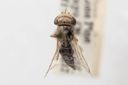
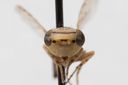
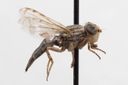
1Oedopa is a of picture-winged flies in the Ulidiidae, first described by Loew in 1868. The genus contains at least three recognized distributed across the Palearctic region. These flies are characterized by patterned wings, a defining feature of their family. Relatively few observations of this genus exist in natural history databases, suggesting it may be uncommon or underrecorded.
Pronunciation
How to pronounce Oedopa: /ˈiː doʊ pə/
These audio files are automatically generated. While they are not always 100% accurate, they are a good starting point.
Identification
Members of Oedopa possess the diagnostic wing patterns typical of Ulidiidae, with dark markings on a clear or lightly tinted background. The can be distinguished from other ulidiid genera by specific wing venation and pattern details, though precise diagnostic characters require examination. The three described differ in wing pattern configuration and body proportions.
Images
Distribution
of Oedopa have been recorded from the Palearctic region, including Europe. Oedopa capito is known from Central Europe, while other species have more restricted ranges. The limited number of observations (7 records in iNaturalist) suggests patchy distribution or low detectability.
Similar Taxa
- Other Ulidiidae generaShare the characteristic of patterned wings, but differ in specific wing venation, pattern details, and body proportions. Separation requires examination of microscopic characters.
- TephritidaeAlso called 'fruit flies' with patterned wings, but belong to a different with distinct wing venation and often different body shape. Tephritidae typically have more elongated bodies and different antennal structure.
More Details
Taxonomic history
The was established by Loew in 1868, with Oedopa capito as the type . The authorship year is sometimes cited as 1867 in some sources, reflecting publication date variations.
Species diversity
Only three are currently recognized: Oedopa ascriptiva (Hendel, 1909), Oedopa capito (Loew, 1868), and Oedopa elegans (Giglio-Tos, 1893). No recent taxonomic revisions have been published.