
Dyscrasis
Aldrich, 1932
Species Guides
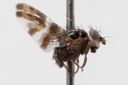
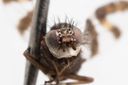
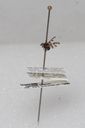
1Dyscrasis is a of picture-winged flies in the Ulidiidae, established by Aldrich in 1932. Members of this genus are characterized by patterned or banded wings, a defining feature of the Ulidiidae family. The genus is relatively poorly documented in scientific literature, with limited -level descriptions and biological data available. Observations suggest activity in temperate regions, primarily in North America.
Pronunciation
How to pronounce Dyscrasis: //dɪsˈkreɪsɪs//
These audio files are automatically generated. While they are not always 100% accurate, they are a good starting point.
Identification
As a within Ulidiidae, Dyscrasis possess the -diagnostic patterned wings with dark bands or spots on a hyaline background. Specific identification to species level requires examination of genitalic structures and detailed wing pattern analysis. The genus can be distinguished from other ulidiid genera by subtle differences in wing venation and body proportions, though these characters require taxonomic knowledge.
Images
Distribution
Primarily distributed in North America, with records concentrated in the United States. Specific range boundaries for the remain undefined due to limited sampling and taxonomic study.
Similar Taxa
- Other Ulidiidae generaShare the -characteristic patterned wings; differentiation requires examination of wing venation details, body proportions, and male genitalia.
- Tephritidae (fruit flies)Also possess patterned wings; distinguished by different wing venation patterns and generally more robust body form in Tephritidae.
More Details
Taxonomic Status
The Dyscrasis remains taxonomically understudied, with most descriptions dating to the early-to-mid 20th century. Modern phylogenetic relationships within Ulidiidae are poorly resolved for this genus.
Observation Data
iNaturalist records (177 observations as of source date) suggest the is encountered with moderate frequency by naturalists, though identification to genus level from photographs may be tentative due to the need for microscopic examination.