
Stenotabanus
Lutz, 1913
Grey Horse Flies
Species Guides
2Stenotabanus is a of horse flies in the Tabanidae, commonly referred to as Grey Horse Flies. The genus contains at least 100 described . Species in this genus are distributed across the Americas and are , blood-feeding flies.
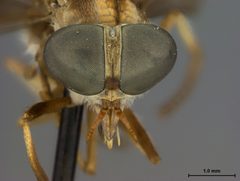
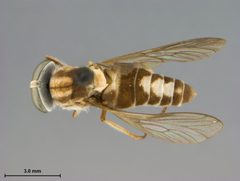

Pronunciation
How to pronounce Stenotabanus: //ˌstɛnoʊtəˈbeɪnəs//
These audio files are automatically generated. While they are not always 100% accurate, they are a good starting point.
Identification
Members of Stenotabanus can be distinguished from other Tabanidae by features of the wing venation and antennal structure, though specific diagnostic characters vary among . The 'Grey Horse Flies' suggests a generally dull coloration compared to some more brightly patterned tabanid genera. Accurate identification to species level typically requires examination of morphological details including patterns in live specimens and genitalia in males.
Images
Distribution
of Stenotabanus occur in the Americas, with records from North, Central, and South America. The shows a predominantly Neotropical distribution pattern.
Diet
females are blood-feeders, obtaining meals from vertebrate . Males do not feed on blood and are presumed to feed on nectar or other sugar sources, as is typical for male Tabanidae, though specific observations for Stenotabanus males have not been documented.
Life Cycle
As with other Tabanidae, Stenotabanus undergo complete with , larval, pupal, and stages. Larvae develop in moist soil or mud, often near aquatic or semi-aquatic . Specific developmental details for Stenotabanus species are not well documented.
Behavior
are and active during daylight hours. Females are persistent biters and seek blood meals to support development. activity patterns have not been specifically documented for this .
Ecological Role
As blood-feeders, females may serve as mechanical of between vertebrate . Larvae are predatory in soil or aquatic substrates and contribute to nutrient cycling in these .
Human Relevance
Females bite humans and can be nuisance pests in areas where they are abundant. The has not been documented as a significant of human , though horse flies generally can transmit some animal mechanically.
Similar Taxa
- TabanusTabanus is a larger, more widespread of horse flies with generally more robust body size and often more striking color patterns; Stenotabanus are typically smaller and duller in coloration.
- ChrysopsDeer flies in the Chrysops have patterned wings with dark bands or spots and often brilliantly colored ; Stenotabanus have unpatterned or less distinctly marked wings.
More Details
Taxonomic History
The was established by Lutz in 1913. Wilkerson (1979) revised the genus, clarifying boundaries and geographic distributions. The genus is classified in the tribe Diachlorini within Tabaninae.
Species Diversity
With over 100 described , Stenotabanus represents a significant component of New World tabanid diversity. Many species are poorly known and await modern revisionary study.