
Helcomyzidae
Hendel, 1924
Genus Guides
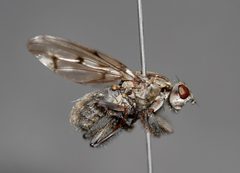
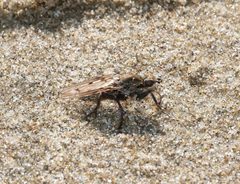
1Helcomyzidae is a small of acalyptrate flies containing approximately 13 described across three : Helcomyza, Maorimyia, and Paractora. The family is concentrated in southern temperate regions, with highest diversity in New Zealand and southern South America. Larvae are specialized consumers of kelp wrack and other marine-derived organic matter washed up on shorelines, playing a significant role in coastal nutrient cycling.
Pronunciation
How to pronounce Helcomyzidae: /hɛlkoʊˈmaɪzɪˌdiː/
These audio files are automatically generated. While they are not always 100% accurate, they are a good starting point.
Identification
Helcomyzidae are distinguished from related by their association with coastal wrack and southern temperate distribution. They have been allied with Dryomyzidae and Coelopidae based on morphological similarities, though precise diagnostic characters require examination of and larval . The family is small enough that identification to is feasible: Helcomyza (three , including Mediterranean and Palearctic representatives), Maorimyia (, New Zealand), and Paractora (nine species, predominantly sub-Antarctic and southern temperate).
Images
Habitat
Coastal marine environments, specifically supralittoral and intertidal zones where kelp and other macroalgae accumulate as wrack. range from natural wrack beds to artificial accumulations in harbors. Some show preference for exposed versus protected wrack beds.
Distribution
Southern temperate and sub-Antarctic regions with highest in New Zealand and southern South America. Records include sub-Antarctic South Georgia, southern South America, New Zealand, and scattered Palearctic localities (Denmark, Norway, Sweden, Mediterranean). The Helcomyza contains the most northerly distributed .
Diet
Larvae feed on kelp (macroalgae/seaweed) and other marine-derived organic matter in wrack beds. Specifically documented as consuming decomposing kelp wrack. Relative consumption rate in Paractora trichosterna measured at 0.734 mg dry mass kelp per mg dry mass larva per day.
Life Cycle
Larval development lasts approximately 2 months at 10°C, with larvae reaching maximum individual mass of approximately 90 mg. emerge from pupae within wrack beds. Duration and mass measurements based on Paractora trichosterna; broader patterns unknown.
Behavior
Larval feeding contributes substantially to kelp degradation in wrack beds. Paractora trichosterna prefers more exposed wrack beds compared to syntopic such as Antrops truncipennis. and larvae are closely associated with wrack material and do not disperse far from coastal deposition zones.
Ecological Role
insect consumers and major decomposers in sub-Antarctic and southern temperate coastal . Directly responsible for 12–20% of kelp loss in experimental conditions, with combined kelp consumption estimated at 714–870 g dry mass per square meter over 7 weeks. Facilitates nutrient transfer from marine to terrestrial systems through breakdown of kelp wrack.
Similar Taxa
- CoelopidaeAlso contains wrack-associated flies with kelp-feeding larvae; historically allied with Helcomyzidae and sharing coastal specialization.
- DryomyzidaeMorphologically similar with which Helcomyzidae has been taxonomically allied; both are acalyptrate flies with southern temperate distributions.
- AntropsSyntopic ( Sepsidae or related acalyptrates) found in same wrack beds; smaller-bodied with different preferences (protected beds versus exposed).
More Details
Taxonomic Affiliation
The 's phylogenetic placement among acalyptrate Diptera remains uncertain, with historical treatments allying it with Dryomyzidae or Coelopidae based on morphological resemblance and shared ecological specialization.
Quantified Ecological Impact
Paractora trichosterna at South Georgia demonstrated measurable engineering through kelp consumption, with individual larvae processing substantial algal and contributing significantly to wrack bed decomposition dynamics.