
Poecilominettia
Hendel, 1932
Species Guides
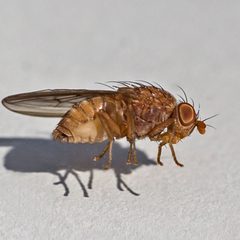
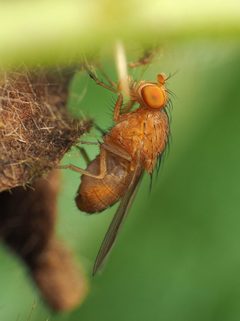
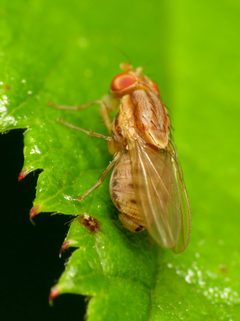
6Poecilominettia is a of small flies in the Lauxaniidae, established by Hendel in 1932. The genus contains more than 60 described , placing it among the more species-rich genera in its family. Members are found across various regions, though detailed species-level distributions remain incompletely documented. Like other lauxaniid flies, they are associated with decomposing plant matter and fungal .
Pronunciation
How to pronounce Poecilominettia: /ˌpɔɪsɪloʊmɪˈnɛtiə/
These audio files are automatically generated. While they are not always 100% accurate, they are a good starting point.
Identification
Distinguished from other Lauxaniidae by specific combinations of chaetotaxy, wing venation patterns, and male genitalic structures. identification requires examination of microscopic characters, particularly the arrangement of bristles on the and the shape of the surstyli in males. The genus is most readily separated from the similar genus Minettia by differences in the number and position of orbital setae.
Images
Habitat
Associated with forested and woodland environments where decaying vegetation and fungi occur. are frequently encountered on vegetation in shaded, moist microhabitats. Larval development occurs in decaying plant material and fungal substrates.
Distribution
Documented from multiple biogeographic regions including the Palearctic, Oriental, and Australasian realms. distributions vary, with some showing restricted ranges and others more widespread. Records exist from Europe, Asia, and the Pacific islands.
Seasonality
activity patterns vary by and latitude. In temperate regions, most species are active during spring and summer months. Tropical species may show extended or year-round activity periods correlated with wet seasons.
Life Cycle
Complete with , larval, pupal, and stages. Larvae develop in decaying plant matter and fungal fruiting bodies. Specific duration of developmental stages varies among and is influenced by temperature and substrate conditions.
Behavior
are often observed resting on leaves in shaded locations. They exhibit characteristic rapid, darting patterns typical of lauxaniid flies when disturbed. Males engage in territorial perching on vegetation.
Ecological Role
Larvae contribute to decomposition processes by feeding on decaying plant material and fungi, facilitating nutrient cycling in forest . may serve as prey for small including spiders and other arthropods.
Human Relevance
No direct economic importance. Occasionally encountered by entomologists and naturalists in forest . Not known to be pests of agriculture or forestry.
Similar Taxa
- MinettiaShares Lauxaniidae and general body form; distinguished by differences in orbital setae number and arrangement, and male genitalic .
- LauxaniaAnother lauxaniid with similar size and preferences; separated by wing venation details and chaetotaxy of the and .
More Details
Taxonomic History
The was erected by Friedrich Hendel in 1932 to accommodate previously placed in related genera but distinguished by unique combinations of morphological characters. The etymology combines Greek 'poikilos' (variegated, spotted) with 'Minettia', referencing both color pattern and phylogenetic affinity.
Species Diversity
With over 60 described , Poecilominettia represents substantial diversity within Lauxaniidae. Many species remain poorly known biologically, with descriptions based primarily on morphological characters from limited specimens. Undescribed species likely exist in under-sampled regions, particularly in Southeast Asian and Pacific island forests.