
Physoclypeus coquilletti
(Hendel, 1908)
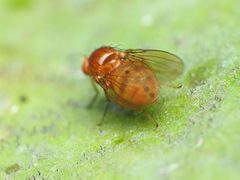
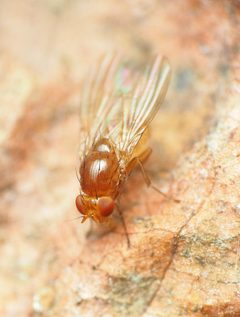
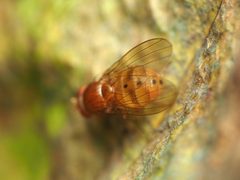
A of fly in the Lauxaniidae, Physoclypeus, originally described by Hendel in 1908 as a replacement name for Lauxania lutea Coquillett. The genus is restricted to the Neotropical region. This species has been redescribed in a 2008 taxonomic revision that included seven new species descriptions for the genus.
Pronunciation
How to pronounce Physoclypeus coquilletti: /ˌfaɪsəˈklɪpiəs ˌkoʊkɪˈjɛti/
These audio files are automatically generated. While they are not always 100% accurate, they are a good starting point.
Identification
Distinguished from by combination of: rectangular wider than long, convex without spots, specific chaetotaxy patterns, and male genitalia with bearing two or more inner teeth. See Gaimari & Silva (2008) for full identification key to all 14 in .
Images
Appearance
rectangular and wider than long; convex without spots; oval or rounded with slightly concave posteroventral outline; pubescent or short ; occiput yellowish-brown. convex with trapezoidal scutellum bearing central longitudinal groove. Legs yellow with tarsomeres 3-5 blackish to yellow. yellow to brown. Wings with specific venation patterns. Male terminalia with narrow to round epandrium and with two or more inner teeth. Female terminalia with three sclerotized spermathecae.
Distribution
Neotropical region. The Physoclypeus is restricted to this region.
More Details
Taxonomic History
Originally described as Lauxania lutea Coquillett, 1902, but renamed Physoclypeus coquilletti by Hendel in 1908 because the name Lauxania lutea was preoccupied. The was redescribed by Gaimari & Silva (2008) as part of a comprehensive revision of the .
Genus Characteristics
The Physoclypeus currently contains 14 , characterized by the combination of: rectangular wider than long, convex without spots, oval or rounded with slightly concave posteroventral outline, pubescent or short , yellowish-brown occiput, convex with trapezoidal scutellum bearing central longitudinal groove, and specific wing venation patterns.
Sources and further reading
- BugGuide
- GBIF taxonomy match
- iNaturalist taxon
- Catalogue of Life
- Coquillettia vicina Wyniger lateral | Entomology Research Museum
- Bembicid Holdings | Entomology Research Museum
- Bug Spotlight | Entomology Research Museum
- Primary Type List | Entomology Research Museum
- Field Guide Selected References
- Bug Eric: Wasp Wednesday: Poecilopompilus algidus
- Revision of the genus Physoclypeus Hendel, 1907 (Diptera, Lauxaniidae), with description of seven new species