
Neogriphoneura
Malloch, 1924
Species Guides
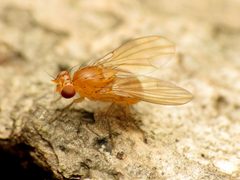
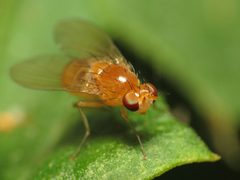
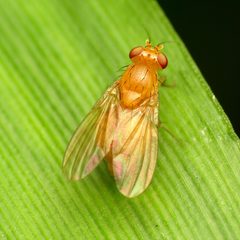
3Neogriphoneura is a of small flies in the Lauxaniidae, established by Malloch in 1924. The genus contains approximately 11 described and is primarily distributed in the Neotropical region. One species, N. sordida, extends into the Nearctic region. The genus is characterized by features typical of lauxaniid flies, including distinctive wing venation and facial markings.
Pronunciation
How to pronounce Neogriphoneura: /ˌniː.oʊˌɡrɪfɒnˈjʊə.rə/
These audio files are automatically generated. While they are not always 100% accurate, they are a good starting point.
Identification
within Neogriphoneura can be distinguished by subtle differences in thoracic and facial coloration, wing patterns, and genitalic structures. The is part of the diverse Lauxaniidae , whose members often require microscopic examination for definitive identification. Specific diagnostic features for the genus itself relative to other lauxaniid genera are not well documented in accessible literature.
Images
Habitat
As a primarily neotropical , occur in tropical and subtropical environments. Specific microhabitat preferences for most species remain undocumented, though lauxaniid flies generally inhabit forested and vegetated areas where larval development occurs in decaying plant matter or soil.
Distribution
Primarily Neotropical, ranging from Mexico through Central and South America. The extends into the Nearctic region through N. sordida, which has been recorded in the southern United States.
More Details
Species Diversity
Eleven have been formally described: N. bispoi, N. corrugata, N. immaculata, N. laevifrons, N. pacata, N. schnusei, N. sordida, N. striatifrons, N. striga, N. tertia, and N. timida. Several species were described by Mello & Silva in 2008, indicating ongoing taxonomic work on the .
Research Status
The has accumulated 2,840 observations on iNaturalist, suggesting moderate levels of documentation, though detailed biological studies appear limited in the accessible literature.