Lytogaster
Becker, 1896
Species Guides
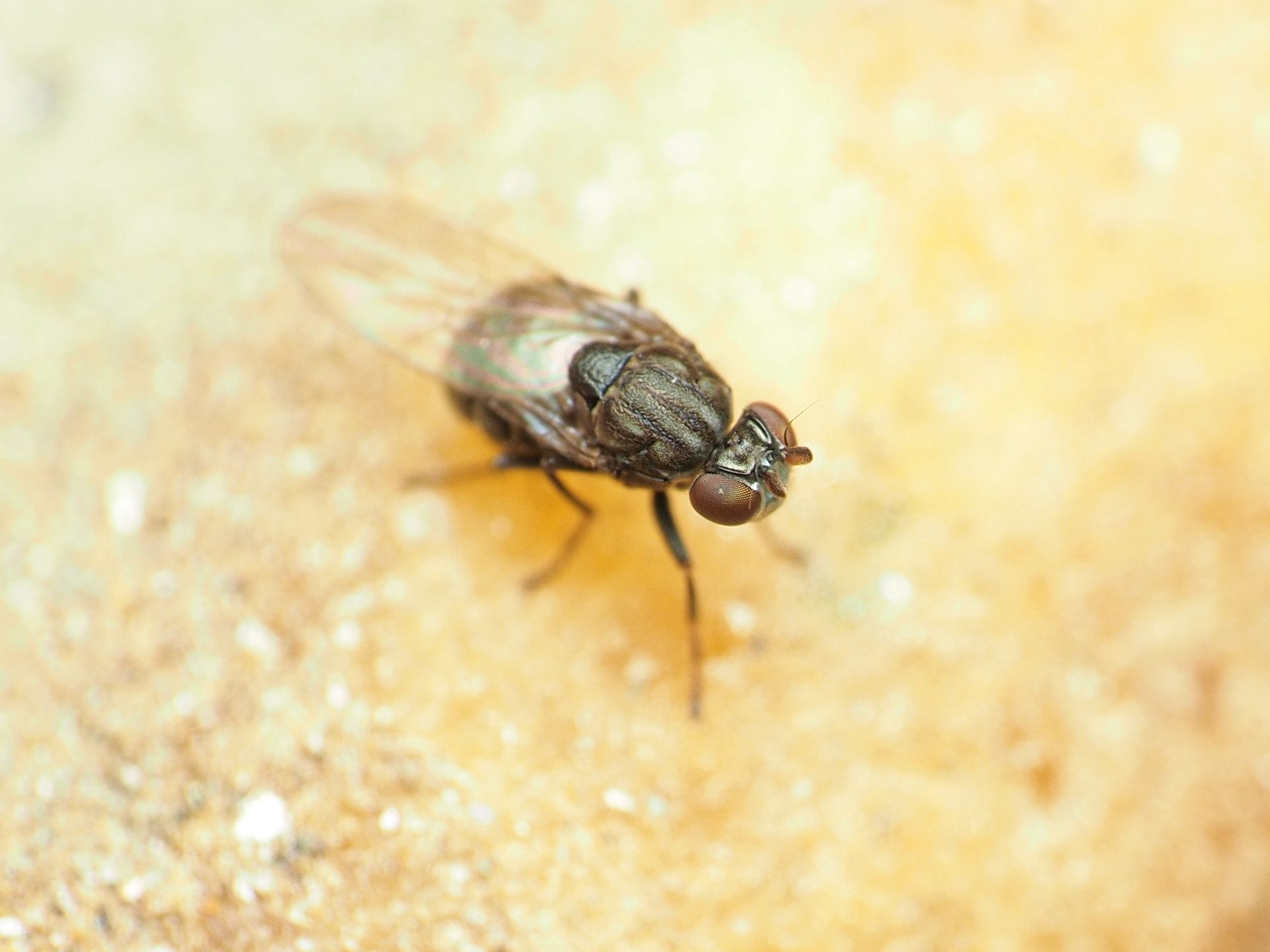
1Lytogaster is a of shore flies in the Ephydridae, first described by Becker in 1896. The genus is documented from limited records in northern Europe, specifically Denmark, Norway, and Sweden. Like other ephydrids, these flies are associated with aquatic or semi-aquatic . The genus remains poorly known, with only 11 iNaturalist observations recorded and minimal published biological information available.
Pronunciation
How to pronounce Lytogaster: //ˌlaɪtoʊˈɡæstər//
These audio files are automatically generated. While they are not always 100% accurate, they are a good starting point.
Identification
Lytogaster can be distinguished from other Ephydridae by examination of male genitalic structures, particularly the and surstyli. Detailed external morphological characters require taxonomic keys for the . The genus is not readily identifiable from field photographs alone.
Images
Habitat
Associated with aquatic or semi-aquatic environments typical of Ephydridae, including margins of ponds, lakes, streams, and other shallow water bodies. Specific microhabitat preferences within this are undocumented.
Distribution
Recorded from Denmark (DK), Norway (NO), and Sweden (SE). The appears restricted to northern Europe based on available occurrence data.
Ecological Role
As members of Ephydridae, likely contribute to nutrient cycling in aquatic edge and serve as prey for other organisms, though specific ecological functions for this are unstudied.
Similar Taxa
- Other Ephydridae generaLytogaster is morphologically cryptic and requires dissection of male genitalia for definitive separation from related in the .
More Details
Taxonomic note
The Lytogaster is one of many poorly studied genera within Ephydridae. No comprehensive modern revision exists, and -level may require revision with additional material.
Data limitations
The low observation count (11 records on iNaturalist) and absence of Wikipedia coverage indicate this has received minimal research attention.