
Drosophila putrida
Sturtevant, 1916
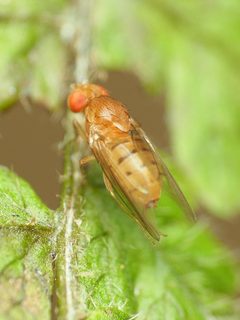
A temperate North American fruit fly in the Drosophila testacea group, distinguished by its obligate association with mushrooms as both feeding and breeding substrate. The species is notable for its of potent mycotoxins, including α-amanitin, and serves as a for the Howardula aoronymphium. Despite this , studies have found no evidence of behavioral adaptations to avoid or reduce parasite .
Pronunciation
How to pronounce Drosophila putrida: //drəˈsɒfɪlə ˈpjuːtrɪdə//
These audio files are automatically generated. While they are not always 100% accurate, they are a good starting point.
Identification
Member of the Drosophila testacea group; distinguished from other Drosophila by exclusive mushroom-breeding . Specific morphological distinguishing features from are not documented in available sources.
Images
Habitat
Temperate woodland environments with mushroom availability; breeding and feeding occur exclusively on mushrooms.
Distribution
Temperate central-eastern United States.
Diet
Mushrooms (feeding and breeding substrate exclusively).
Host Associations
- Howardula aoronymphium - ; highly virulent and at high in some
Behavior
No behavioral avoidance of -infected mushrooms; no avoidance of nematode-infected conspecifics; no preference for ethanol-rich substrates as prophylactic against nematodes.
Ecological Role
Mushroom decomposer; for ; mycotoxin may facilitate competition for mushroom resources.
Similar Taxa
- Drosophila testacea species group membersShare obligate mushroom-breeding ; D. putrida distinguished by specific geographic range and documented associations
- Other Drosophila speciesMost breed on fermenting fruit or other substrates rather than mushrooms; D. putrida's exclusive mushroom association is diagnostic
Sources and further reading
- BugGuide
- Wikipedia
- GBIF taxonomy match
- iNaturalist taxon
- NCBI Taxonomy
- Catalogue of Life
- Christine Tabuloc's Seminar: Inside Her Intricate Research World of Drosophila | Bug Squad
- UC Davis Seminars: From Spotted Wing Drosophila to Spider Glue to Wild Bees | Bug Squad
- African Fig Fly Meets Spotted-Wing Drosophila in the U.S.
- Dry, Red Sticky Trap Improves Spotted-Wing Drosophila Monitoring
- New Study Aims to Protect Parasitoids of Spotted-Wing Drosophila
- Spotted-Wing Drosophila: New Seasonal Activity Model Will Aid IPM Efforts
- No evidence for behavioural adaptations to nematode parasitism by the flyDrosophila putrida