Chyliza
Fallén, 1820
rust flies
Species Guides
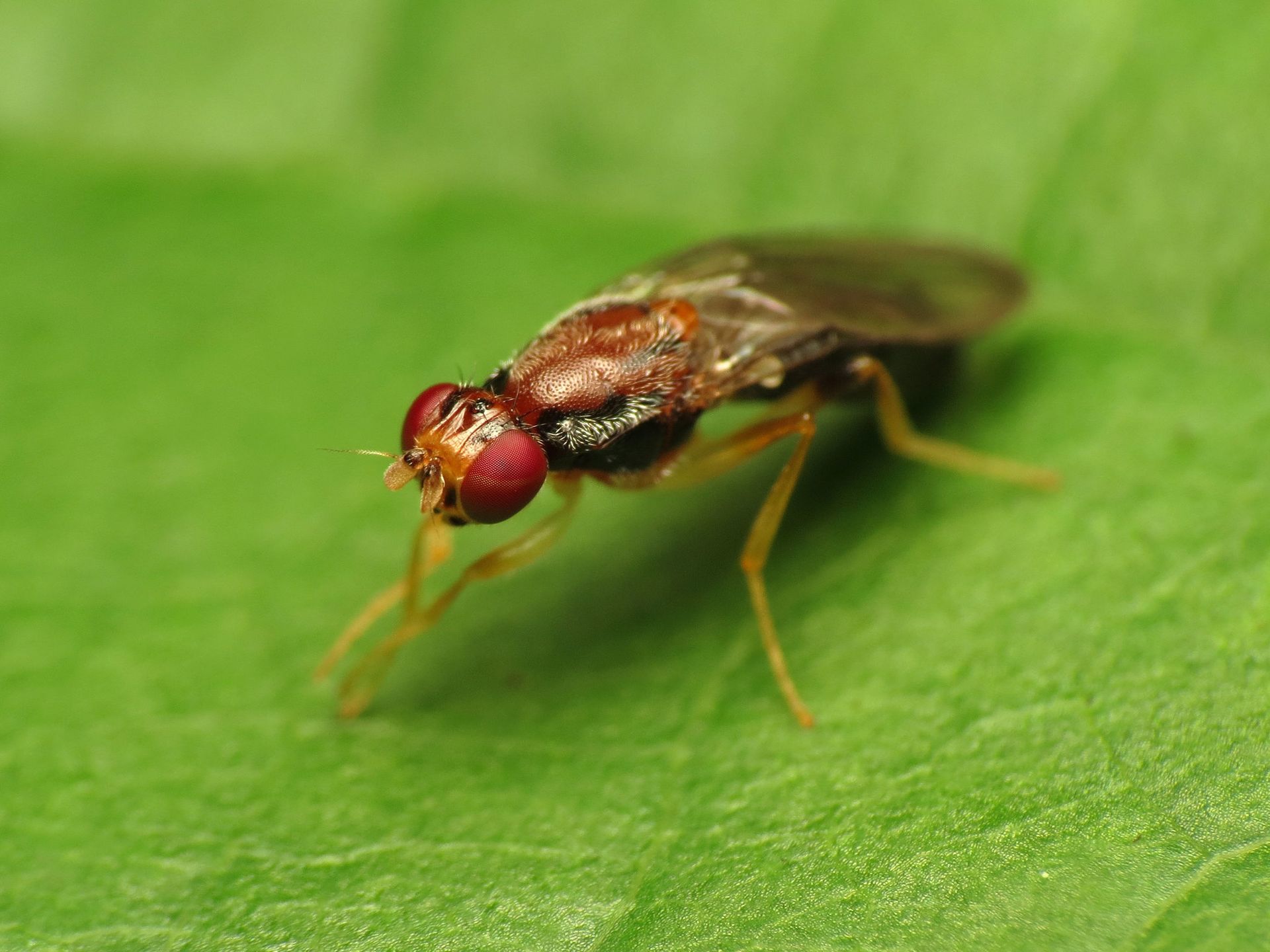
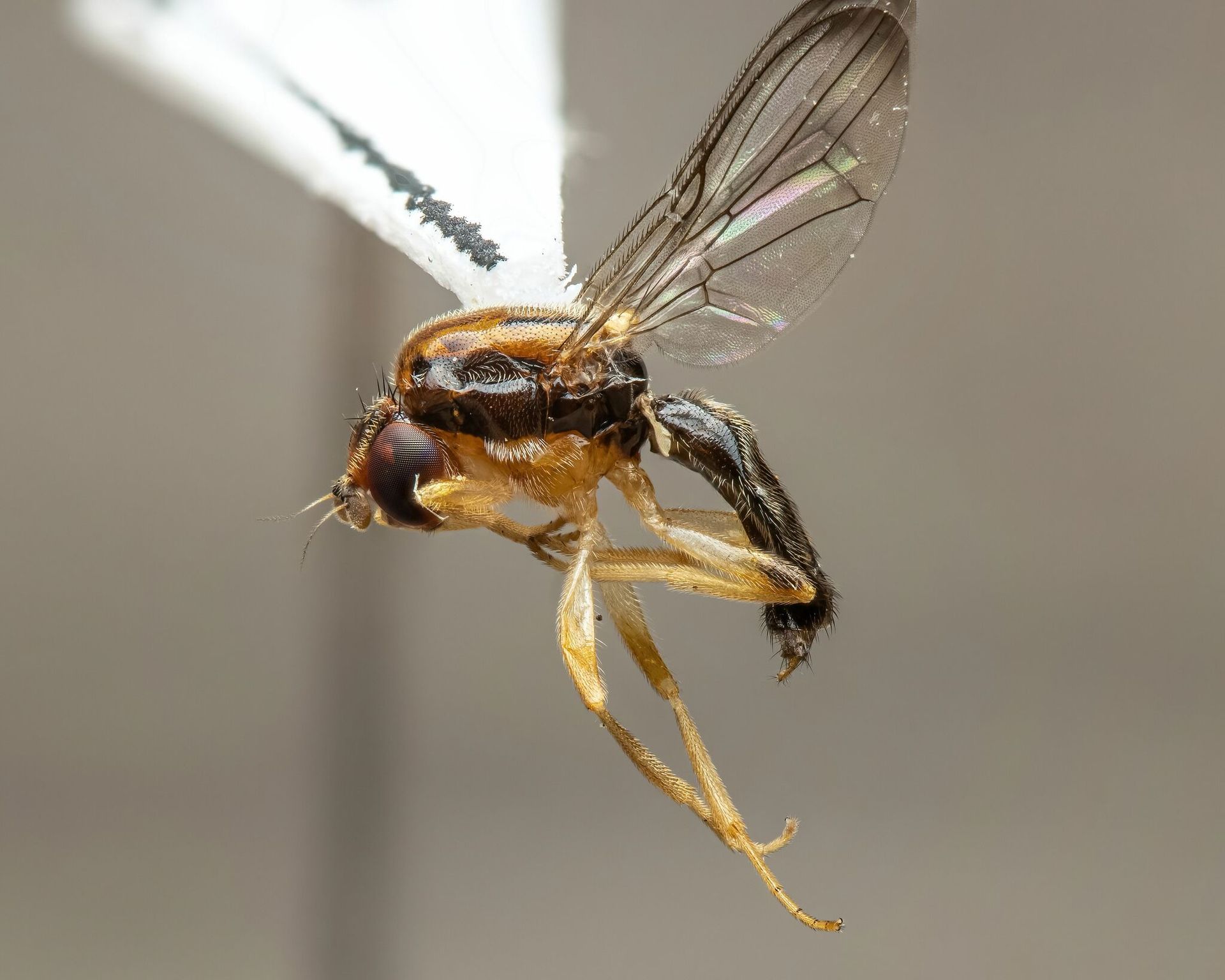
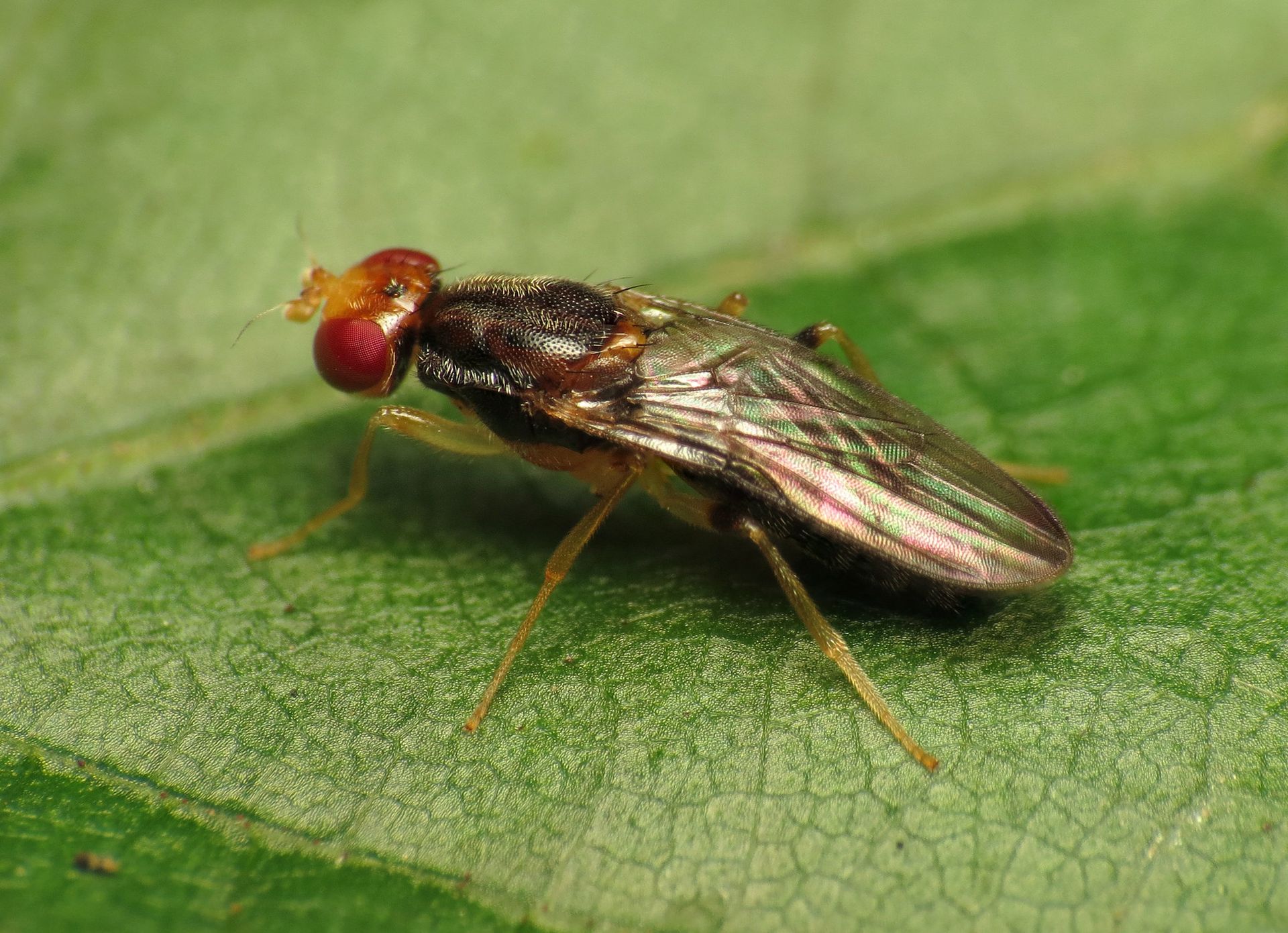
5Chyliza is a of rust flies in the Psilidae, established by Fallén in 1820. in this genus are associated with orchids as , with documented cases of stem-mining and leaf-mining . The genus has a transpalaearctic distribution, with records from Europe and Japan. At least one species, Chyliza vittata, exhibits specialized relationships with achlorophyllous and autotrophic orchid species.
Pronunciation
How to pronounce Chyliza: //kɪˈlaɪzə//
These audio files are automatically generated. While they are not always 100% accurate, they are a good starting point.
Images
Habitat
Associated with orchid ; Chyliza vittata has been observed in buds and stems of the achlorophyllous mycoheterotrophic orchid Gastrodia elata in Japan, an exceptional compared to European and other . Also potentially associated with the autotrophic orchid Calanthe nipponica in Japanese populations.
Distribution
Transpalaearctic; confirmed from Europe and Japan. GBIF records from Denmark, Norway, and Sweden.
Host Associations
- Gastrodia elata Blume (Orchidaceae) - buds and stemsJapanese ; exceptional compared to European specimens and other
- Calanthe nipponica (Orchidaceae) - potential autotrophic orchid; Japanese
Life Cycle
Larval development occurs within orchid ; Chyliza vittata develops as a stem-miner in orchid buds and stems.
Behavior
Males exhibit mate-seeking on flowering plants. Females oviposit on flowers, floral buds, bracts, and into flowers using their ovipositor. Males occasionally display aggression toward other males. Limited damage to host orchids has been observed, with most infested plants producing mature capsules.
More Details
Taxonomic history
Chyliza vittata was previously described as Orchidophaga gastrodiacola Kato, 2006 from Japan, but was synonymized with C. vittata based on morphological correspondence between Japanese and European specimens.
Behavioral observations
Mate-seeking and oviposition have been documented for C. vittata on Gastrodia elata. Multiple males may occupy an orchid stem without interaction, though occasional aggression occurs.
Sources and further reading
- BugGuide
- Wikipedia
- GBIF taxonomy match
- iNaturalist taxon
- NCBI Taxonomy
- Catalogue of Life
- Orchidophaga gastrodiacola Kato, 2006, is Chyliza vittata Meigen, 1826 (Diptera: Psilidae): discussion on its taxonomy and biology
- Mate‐seeking and oviposition behavior of Chyliza vittata (Diptera: Psilidae) infesting the leafless orchid Gastrodia elata
- The Autotrophic OrchidCalanthe nipponicais a Potential Host Plant of Japanese Populations of the Two-Winged Fly,Chyliza vittata(Diptera: Psilidae)