Mansonia
J.R.Drumm.
Mansonia mosquito
Species Guides
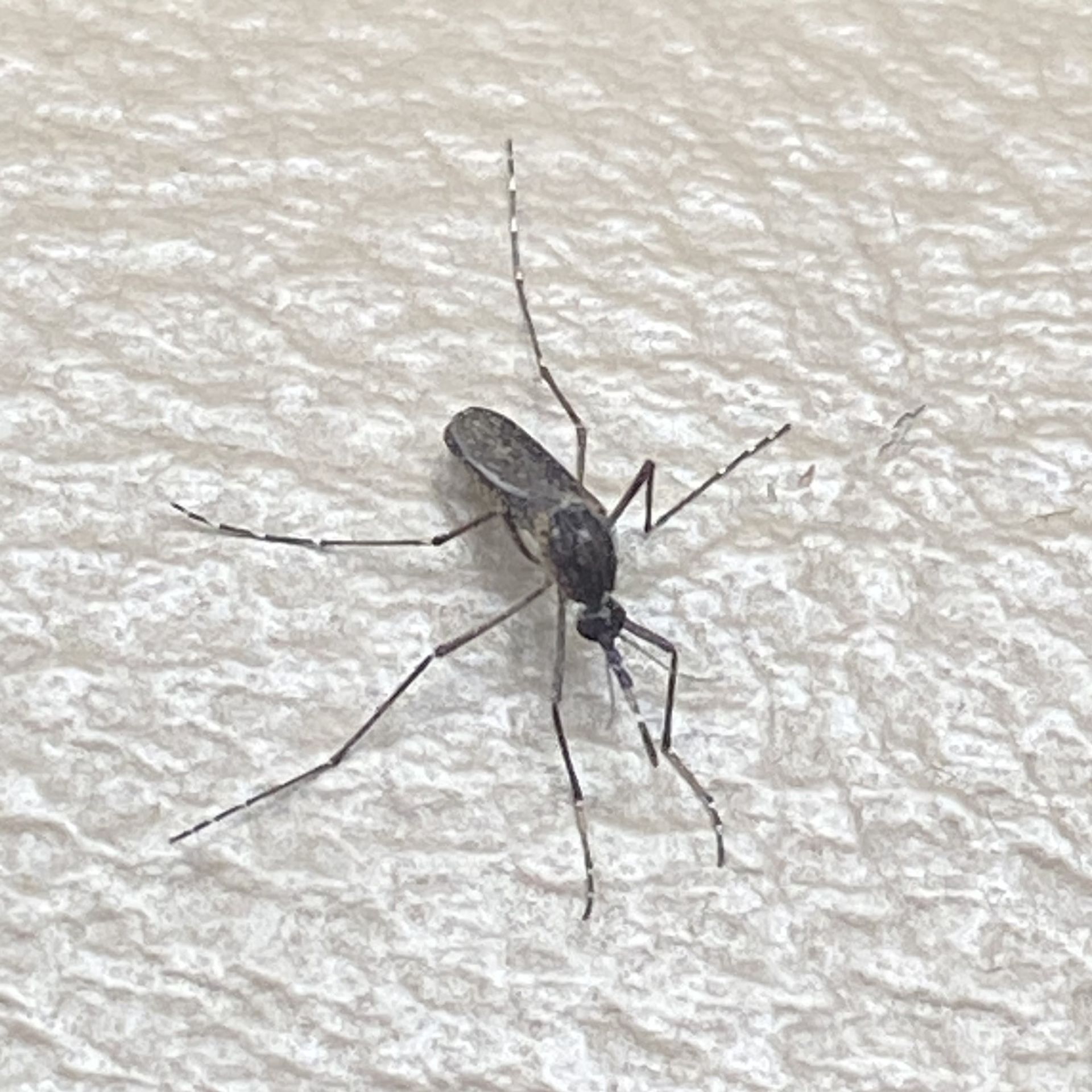
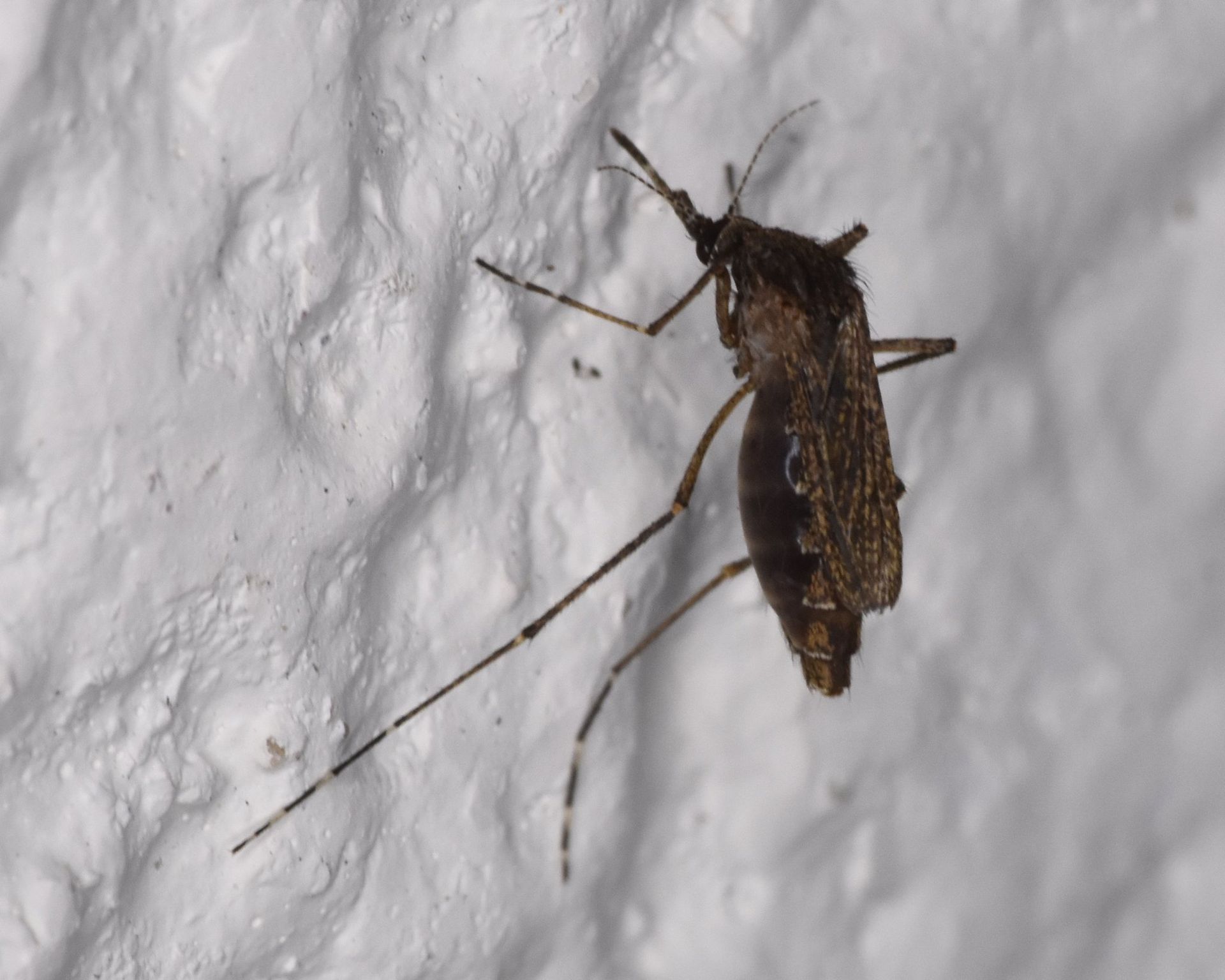
2Mansonia is a of mosquitoes in the Culicidae. are large, dark-colored mosquitoes with distinctive iridescent scaling on wings and legs. The genus is notable for its unique larval and pupal : stages attach to submerged rootlets of aquatic plants using modified siphons to obtain oxygen, rather than surfacing to breathe. Several serve as of human and animal , including filarial worms and . The genus has a global distribution, with particular abundance in tropical and subtropical regions associated with permanent freshwater .
Pronunciation
How to pronounce Mansonia: //mænˈsoʊniə//
These audio files are automatically generated. While they are not always 100% accurate, they are a good starting point.
Identification
Large body size relative to many other mosquito ; dark brown to black coloration with metallic or iridescent scaling on wings and legs. Distinguished from similar genera by larval and pupal attachment to aquatic plant rootlets. may be confused with Coquillettidia, which shares similar associations; separation requires examination of genitalic structures or larval siphon .
Images
Habitat
Permanent freshwater bodies with emergent or floating aquatic vegetation, particularly water hyacinth (Eichhornia crassipes) and water lettuce (Pistia stratiotes). Larvae and pupae require living plant rootlets for respiration. Found in floodplain , ponds, lakes, and artificial water bodies with suitable vegetation.
Distribution
Global distribution with concentration in tropical and subtropical regions. Documented in Neotropics (Amazon basin, including Rio Madeira region of Brazil; Central America), Southeast Asia (Kalimantan, Borneo), and North America (central Florida, USA). Seasonal abundance peaks vary by region: summer-fall in Florida (August-September), with year-round activity possible in equatorial regions.
Seasonality
Activity patterns vary by and geography. In central Florida, USA: Mansonia titillans peaks in September, M. dyari peaks in August. In Kalimantan, Indonesia: biting activity of M. uniformis peaks 19:00-22:00, M. dives peaks 23:00-01:00. biting activity documented; specific seasonal patterns in Amazon region not detailed in available sources.
Life Cycle
laid in star-shaped clusters on undersurface of aquatic plant leaves. Larvae and pupae attach to submerged rootlets of aquatic plants using siphon tubes; obtain oxygen directly from plant aerenchyma tissue rather than surfacing. This attachment is obligate for development. Specific duration of developmental stages not documented in available sources.
Behavior
blood-feeding activity documented in multiple . Biting varies: some species exhibit exophagic (outdoor biting) tendencies, others show mixed or endophagic patterns. Resting behavior varies by species and locality: M. uniformis shows both indoor and outdoor resting depending on location; M. dives predominantly indoor resting in some areas, exophilic in others. collected via CO2-baited light traps and human landing catches.
Ecological Role
of human and animal . Documented transmission of: Wuchereria bancrofti (lymphatic ) by M. uniformis and M. dives; Brugia malayi (filariasis); Rift Valley fever virus by M. uniformis; Mayaro virus (potential : M. humeralis in Amazon region). Role in aquatic as and prey; specific trophic interactions not detailed in available sources.
Human Relevance
Significant medical and veterinary importance as . Biting nuisance due to large size and activity. Control complicated by larval attachment to aquatic vegetation, making conventional larviciding difficult. Management of aquatic vegetation (water hyacinth, water lettuce) may reduce breeding .
Similar Taxa
- CoquillettidiaShares association with permanent water and emergent vegetation; similar in size and appearance. Distinguished by larval siphon and attachment ; Coquillettidia larvae attach to vegetation but have different siphon structure.
- CulexOverlaps in some types and biting . Mansonia distinguished by larger size, iridescent leg scaling, and obligate plant-rootlet attachment of stages; Culex larvae surface to breathe.
Sources and further reading
- BugGuide
- Wikipedia
- iNaturalist taxon
- NCBI Taxonomy
- Catalogue of Life
- Caracterização molecular de microbiomas bacterianos associados a mansonia humeralis (diptera: culicidae), e determinação cariotípica do grupo mansonia spp., rio madeira, amazônia ocidental
- Bionomik Mansonia uniformis dan Mansonia dives sebagai Vektor Filariasis pada Beberapa Wilayah di Kalimantan
- Seasonal and Spatial Distribution of Mansonia Dyari, Mansonia Titillans, and Coquillettidia Perturbans (Diptera: Culicidae) in the Central Florida, USA, Phosphate Region1