
Parectecephala maculiceps
Becker, 1912
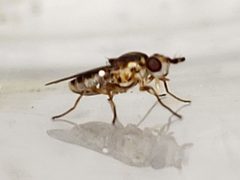
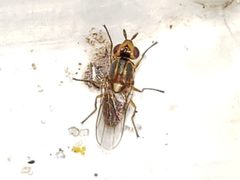
Parectecephala maculiceps is a of frit fly in the Chloropidae, described by Becker in 1912. The Parectecephala comprises small flies associated with grassland and wetland . This species is poorly documented, with only two observations recorded on iNaturalist. Like other chloropids, it likely has a close ecological association with grasses or sedges.
Pronunciation
How to pronounce Parectecephala maculiceps: /ˈpærɛktɛˌsɛfələ ˈmækjʊlɪˌsɛps/
These audio files are automatically generated. While they are not always 100% accurate, they are a good starting point.
Identification
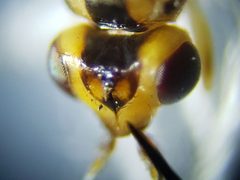
Members of Parectecephala are small chloropid flies (2–4 mm) with reduced wing venation and characteristic genitalic structures visible only under magnification. Specific identification of P. maculiceps requires examination of male terminalia or female ovipositor; the epithet "maculiceps" suggests spotted or marked patterning, though this diagnostic feature has not been formally described in accessible literature.
Images
Distribution
Distribution records are sparse. The has been documented in the Palearctic region based on the original description by Becker (1912), though specific localities are not readily available in major databases.
Similar Taxa
- Parectecephala longicornisAnother in the same with overlapping geographic range; distinguished by differences in antennal proportions and male genitalia
- Other Chloropidae genera (e.g., Chlorops, Oscinella)Similar small size and yellow-green coloration; Parectecephala distinguished by specific wing reductions and genitalic
More Details
Taxonomic Note
The Parectecephala was revised by Nartshuk in 2012, though P. maculiceps was not among the most thoroughly treated . Original description in Becker 1912 provides the only formal morphological account.
Data Deficiency
This exemplifies the documentation gap for many small Diptera: accepted as valid but with minimal modern occurrence records, ecological data, or imaging.