
Apolysis
Loew, 1860
Species Guides
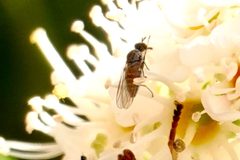
2is a of bee flies ( Bombyliidae) established by Loew in 1860, containing at least 120 described . The genus belongs to the Usiinae and tribe Apolysini. Bee flies in this genus are or with typical of the Bombyliidae family. The genus name derives from the Greek term for separation or discharge, though this etymological connection to the molting process is coincidental rather than biological.
Pronunciation
How to pronounce Apolysis: /əˈpɒlɪsɪs/
These audio files are automatically generated. While they are not always 100% accurate, they are a good starting point.
Identification
As a -level , specific diagnostic features for require examination of morphological characters distinguishing it from related bombyliid genera within Usiinae. -level identification typically relies on wing venation patterns, body pilosity, and genitalic structures. The genus is distinguished from other Usiinae by combinations of characters in the wing venation and antennal structure, though precise diagnostic features require taxonomic literature.
Images
Life Cycle
As Bombyliidae, in likely exhibit the -typical : laid near burrows or , planidial larvae that actively seek hosts, and or predatory development on insects (typically larvae of other insects, often Hymenoptera or Coleoptera). Specific host records for Apolysis species are sparse in the provided sources.
Ecological Role
Members of this function as or in terrestrial , contributing to of their insects. As with other bee flies, may serve as through nectar feeding at flowers.
Similar Taxa
- Other Usiinae genera (e.g., Usia, Parageron)Share characteristics including reduced wing venation and similar ; distinguished by specific antennal and genitalic features
- Other Bombyliidae genera in related subfamilies bee flies share convergent morphological adaptations for nectar feeding; placement determined by detailed wing venation and structural characters
More Details
Terminological note
The name '' is taxonomically distinct from the biological term 'apolysis' referring to separation during in arthropods. The shared etymology from Greek ἀπόλυσιis ('discharge, separation') is coincidental. The biological process of apolysis occurs in all including insects, and thus in Apolysis as in all arthropods, but the genus name does not indicate any special association with this process.
Taxonomic status
The is well-established with over 120 described , indicating substantial diversity but also potential for ongoing taxonomic revision given the large species count relative to observation records.