Callinicus calcaneus
Loew, 1872
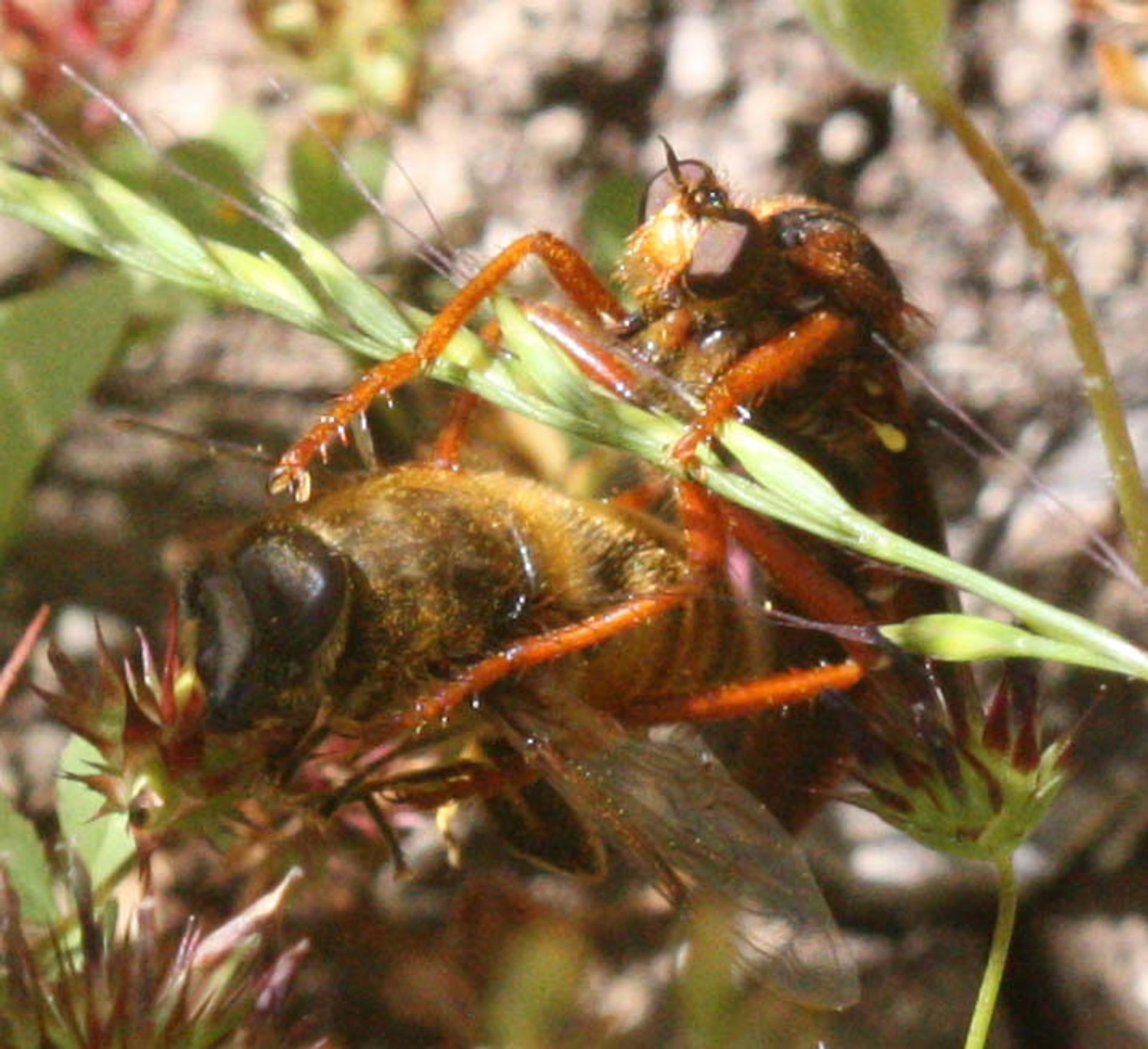
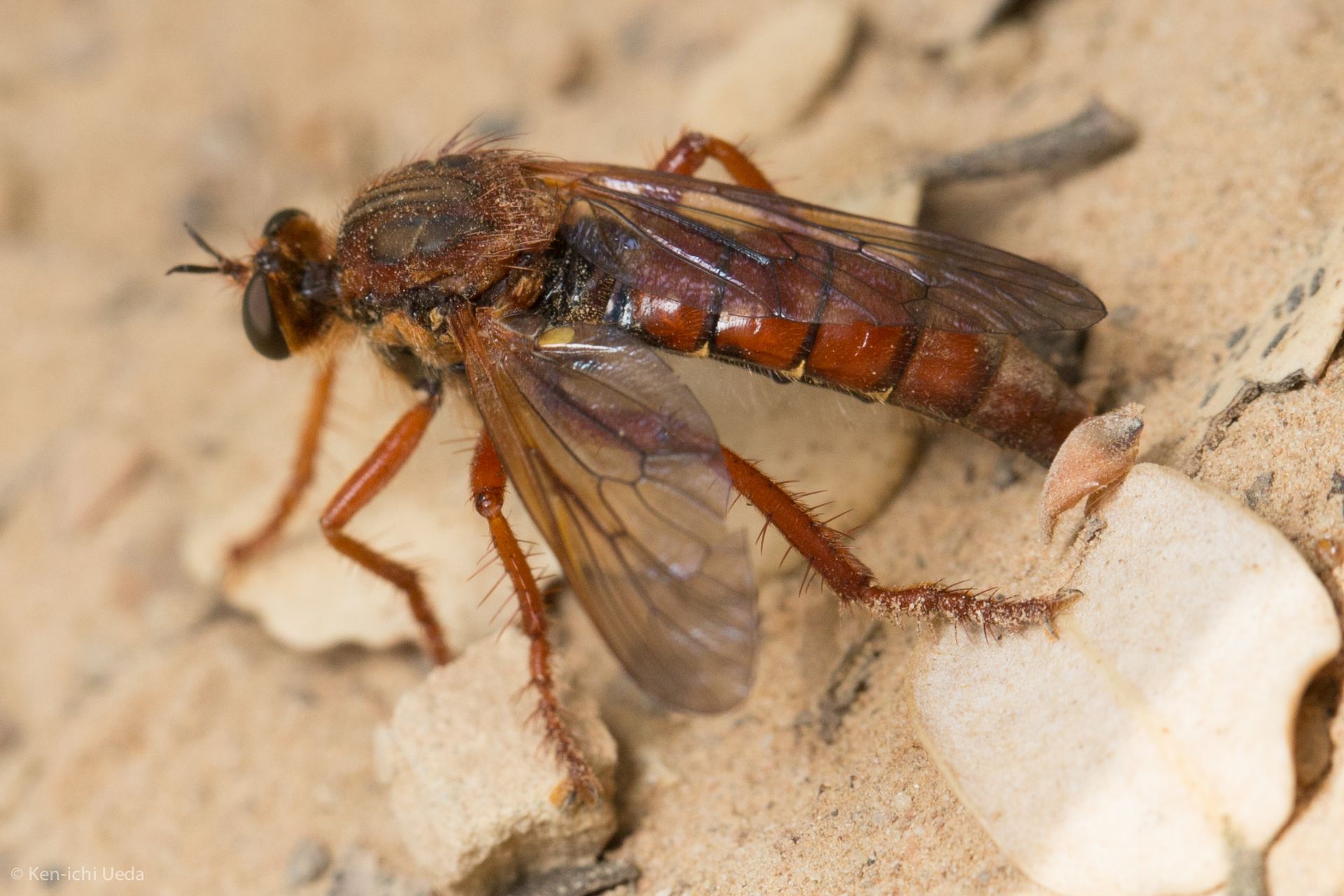
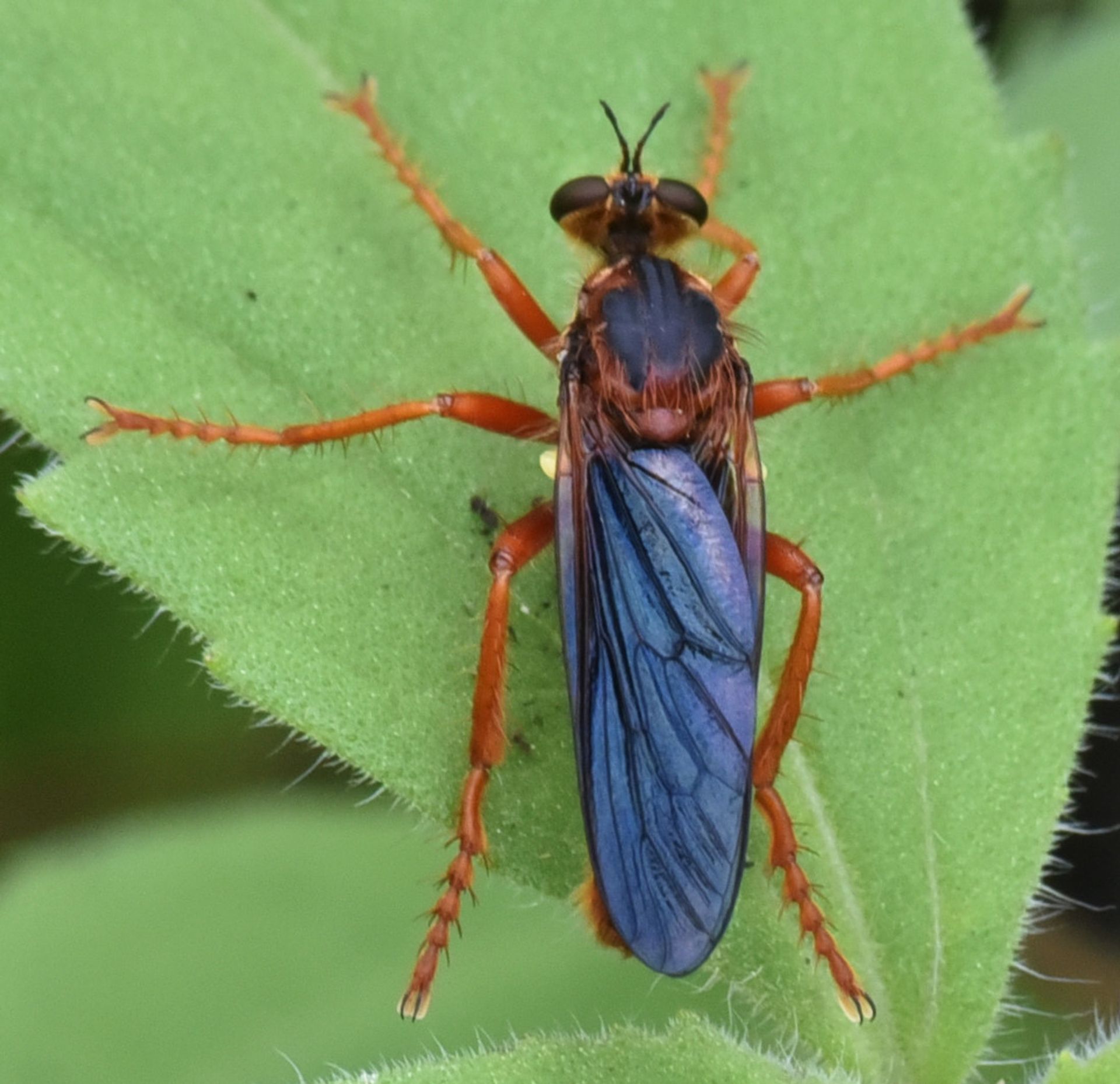
Callinicus calcaneus is a of robber fly in the Asilidae, first described by Loew in 1872. It is known to prey specifically on solitary bees belonging to the families Megachilidae and Andrenidae. As a member of the predatory Asilidae family, it exhibits the characteristic hunting of robber flies.
Pronunciation
How to pronounce Callinicus calcaneus: /kəˈlɪnɪkəs kælˈkeɪniəs/
These audio files are automatically generated. While they are not always 100% accurate, they are a good starting point.
Identification
Specific identification characters for C. calcaneus are not documented in available sources. As a member of the Callinicus, it likely shares the robust body form and predatory typical of Asilidae, including a concave facial profile between the and strong, spiny legs adapted for capturing prey in .
Images
Diet
of solitary bees, specifically documented to prey on bees of the Megachilidae and Andrenidae.
Ecological Role
Acts as a of solitary bees, potentially influencing local and structure.
Similar Taxa
- Other Asilidae speciesMany robber flies share general predatory and ; C. calcaneus is distinguished by its documented specialization on Megachilidae and Andrenidae bees, though specific morphological differentiators from are not established in available sources.
More Details
Taxonomic note
The was described by Hermann Loew in 1872. The Callinicus contains multiple species, but detailed species-level distinctions remain poorly documented in accessible literature.