
Laphystia
Loew, 1847
Species Guides
30Laphystia is a of robber flies ( Asilidae) established by Loew in 1847. The genus contains at least 50 described , with 56 species listed in current catalogs. Members are aerial within the order Diptera, though specific morphological and ecological traits distinguishing Laphystia from related asilid genera are not well documented in readily available sources.
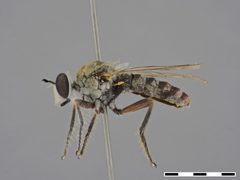
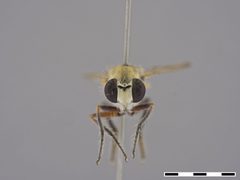
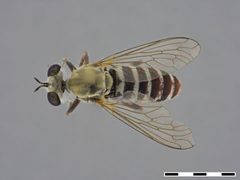
Pronunciation
How to pronounce Laphystia: //læˈfɪstiə//
These audio files are automatically generated. While they are not always 100% accurate, they are a good starting point.
Identification
Laphystia are distinguished from other Asilidae primarily through male genitalia characteristics and subtle structural features of the and legs, requiring taxonomic examination. No reliable field identification characters for separating Laphystia from morphologically similar robber fly genera have been documented in general sources.
Images
Distribution
of Laphystia occur across multiple continents, though precise geographic boundaries for the as a whole remain undefined in available literature. Specific regional distributions vary by species.
Behavior
As members of the Asilidae, Laphystia are presumed to exhibit predatory characteristic of robber flies, including aerial hunting and perching from elevated substrates to ambush prey. Specific behavioral observations for Laphystia have not been documented in the provided sources.
Ecological Role
As predatory flies, Laphystia likely function as of other insects within their , contributing to . Specific ecological studies quantifying their role are not cited in available sources.
Similar Taxa
- Other Asilidae generaLaphystia shares the general robust body form, concave , and predatory habits common to robber flies, requiring examination of male terminalia or detailed structural characters for definitive identification.
More Details
Taxonomic history
The was established by Hermann Loew in 1847. Current catalogs recognize 56 , though the genus has not received comprehensive modern revision.
Data availability
Despite containing numerous , Laphystia appears underdocumented in ecological and behavioral literature compared to more intensively studied asilid such as Promachus or Proctacanthus.