
Triorla
Parks, 1968
Species Guides
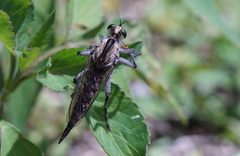
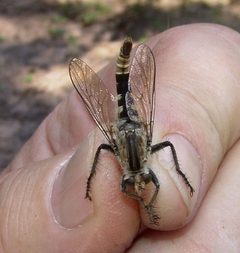
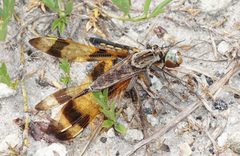
1Triorla is a of robber flies ( Asilidae) containing approximately five described . The genus was segregated from Efferia and is now widely regarded as valid. Triorla interrupta is the only species occurring in North America; other species are distributed from Panama to Argentina. These flies are predatory and share the general characteristics of Asilidae, including a robust body and predatory habits.
Pronunciation
How to pronounce Triorla: /traɪˈɔrlə/
These audio files are automatically generated. While they are not always 100% accurate, they are a good starting point.
Identification
Triorla can be distinguished from similar Efferia-group robber flies by specific abdominal coloration patterns. In Triorla interrupta, males exhibit a distinctive pattern: the first two abdominal segments are partially black, followed by two almost wholly black segments. The lacks the distinctly swollen genital capsule seen in some related . Species in this genus superficially resemble North American Efferia species, requiring careful examination for accurate identification.
Images
Distribution
The has a disjunct distribution: Triorla interrupta occurs in North America (reported as the most common robber fly in Arkansas, with records from the Ozark Highlands and other regions), while Triorla parastriola, Triorla spinosa, Triorla striola, and Triorla trichinus occur from Panama to Argentina. The South American fauna remains understudied, with additional undescribed or unrecorded likely present in northern Argentina.
Ecological Role
As predatory flies, Triorla function as active of other insects. Anecdotal observation suggests they may prey on tiger beetles ().
Similar Taxa
More Details
Taxonomic history
Triorla was established by Parks in 1968 as a segregate of Efferia. The has gained widespread acceptance as valid, though it was formerly treated within Efferia.
Research gaps
The Asilidae fauna of northern Argentina and adjacent regions is poorly studied. Eric Fisher suggested that actual in this region could be several times higher than currently recorded, with many either undescribed or described from adjacent countries but not yet recorded from Argentina.